Most brands ask the wrong questions to ask a clothing manufacturer. They focus on price, lead time, and MOQ, all important, but none of them tell you whether the factory will actually deliver what they promise once you’ve paid the deposit.
After 13 years and 1,000+ brands, the question I hear most often after a bad experience is: “How was I supposed to know?” The answer is almost always the same. The warning signs were there. The brands just didn’t know what to look for.
This guide covers the 12 questions to ask a clothing manufacturer that actually reveal whether they’re worth working with and more importantly, what a good answer looks like versus a red flag.
Why the right questions matter more than the samples
A factory’s website, sample photos, and sales pitch tell you very little about what the actual production experience will be like. A polished presentation is easy to produce. Consistent bulk quality, reliable communication, and honest timelines are not.
The brands that get burned are almost never the victims of outright scams. They’re the victims of misaligned expectations, manufacturers who said yes to everything upfront and delivered something different three months later.
The questions below are designed to expose those misalignments before you commit.

12 questions to ask a clothing manufacturer before you place an order
1. Are you a direct factory or a sourcing agent?
This is the first and most important question to ask a clothing manufacturer. Many companies presenting themselves as manufacturers are actually trading companies or sourcing agents who subcontract production to factories you never meet or vet.
There is nothing wrong with working through an agent — Bryden operates as a full-service sourcing partner, and that model has real advantages. But you need to know exactly who you’re working with and who is accountable when something goes wrong.
Good answer: A clear, direct explanation of their model, either “we own and operate our factory” or “we manage a network of certified factories and here’s how that works.”
Red flag: Vague answers like “we work with many factories” or an inability to explain the production structure clearly.
2. What similar products have you produced at scale?
Experience with your specific garment category matters. A factory that excels at basic t-shirts may struggle with technical activewear. A factory specialising in woven outerwear may not have the right machinery for knit garments.
Ask for examples of bulk orders, not just samples in your category. Ask to see finished production photos, not just studio shots.
Good answer: Specific examples with order volumes, garment categories, and ideally client references you can follow up with.
Red flag: Showing only samples, or deflecting to “we can make anything.”
3. Who makes your samples and is it the same team doing bulk production?
This is the question most brands never think to ask, and it’s responsible for more bad bulk orders than almost anything else.
In many factories, samples are made by a dedicated team of senior machinists whose job is to win business. Bulk production runs on a separate line with different workers at different speeds. The gap between the two is where quality problems begin.
Good answer: A clear explanation of how they ensure sample-to-bulk consistency, including whether the same patterns and specs are used, how fabric lots are matched, and what QC checkpoints exist during bulk production.
Red flag: Dismissing the question or giving a vague reassurance like “our quality is always consistent.”
4. What certifications do you hold?
Certifications like GOTS (Global Organic Textile Standard), GRS (Global Recycled Standard), and OEKO-TEX are not just sustainability signals. They mean the factory has passed independent third-party audits covering production processes, chemical use, working conditions, and traceability.
A certified factory has already demonstrated that it can meet documented standards under external scrutiny, that’s a meaningful signal about how they operate day to day.
Good answer: Specific certifications with documentation available on request, and a clear explanation of what each one covers.
Red flag: No certifications and no clear reason why, or certificates that have lapsed without renewal.
5. What are your payment terms?
Standard practice in clothing manufacturing is a 30-50% deposit to begin production, with the balance paid before shipment. This structure protects both parties, the factory covers material costs upfront, and you retain leverage until the goods are confirmed.
Good answer: A clear written payment schedule aligned with production milestones.
Red flag: Requests for 100% payment upfront from a new client, or pressure to pay before samples are approved. Both indicate either cash flow problems or a factory that knows you have no recourse once they have the full amount.
6. What happens if production is delayed?
Every factory will tell you their lead times during the sales process. Very few will tell you what happens when those lead times slip. This is one of the most important questions to ask a clothing manufacturer, and most brands skip it entirely.
Good answer: A clear process for communicating delays early, a commitment to milestone updates, and ideally contractual provisions for delays beyond a certain threshold.
Red flag: “We never have delays”. Every factory has delays sometimes. A manufacturer that won’t acknowledge this is either dishonest or hasn’t thought through what happens when things go wrong.
7. How do you handle quality issues found after delivery?
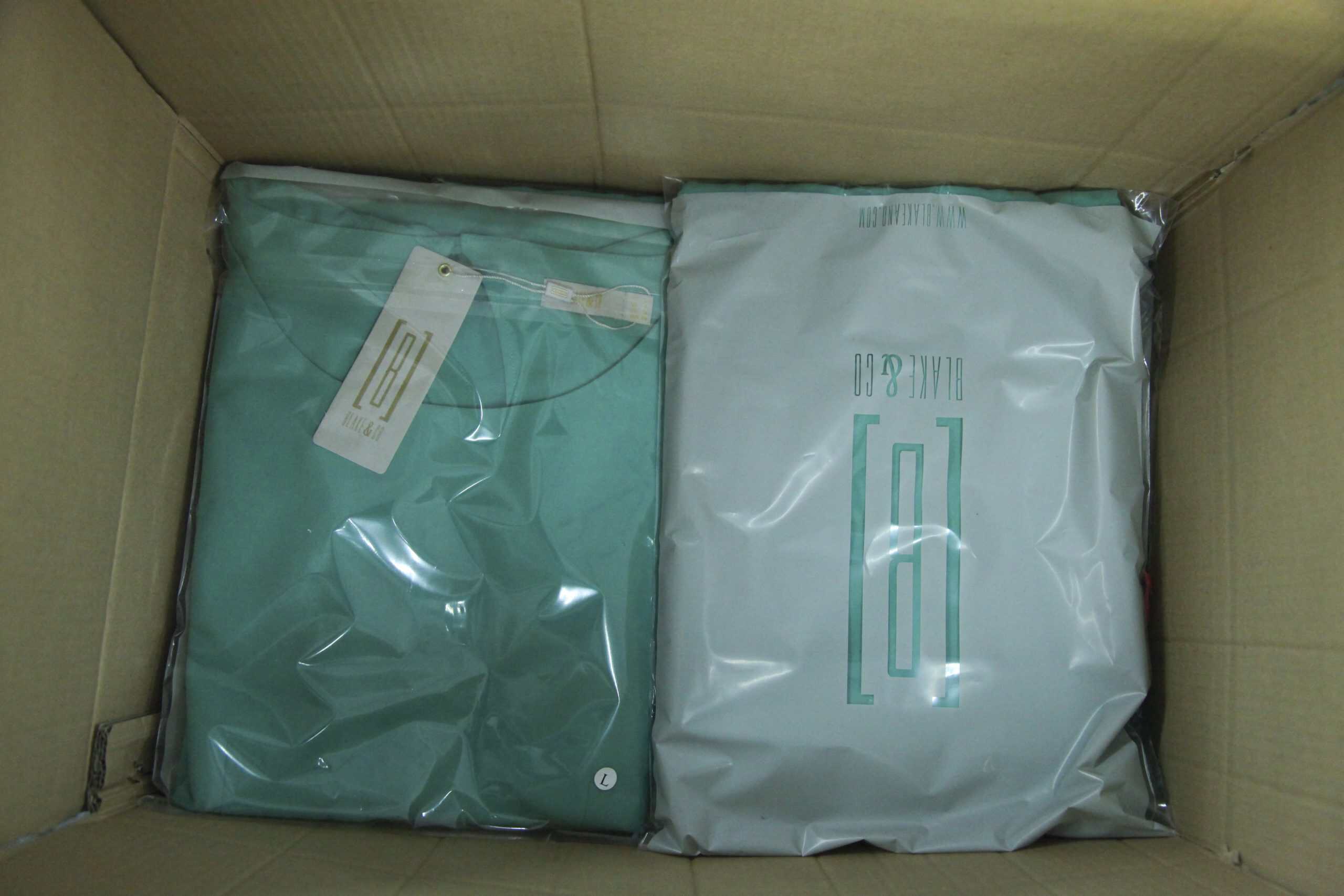
Quality control during production is one thing. What happens when a problem gets through to finished goods is another. Ask specifically about their process for defects discovered after delivery.
Good answer: A documented defect rate threshold (industry standard is AQL 2.5), a clear process for raising quality claims, and examples of how they’ve resolved issues for existing clients.
Red flag: Shifting blame to the client’s design or specifications, or no clear process beyond “contact us and we’ll discuss.”
8. Can you provide three client references I can contact directly?
This is non-negotiable. Any clothing manufacturer worth working with will provide references without hesitation. When you follow up with those references, ask two specific questions: did the bulk order match the sample quality, and how did the factory handle problems when they arose.
The second question is the more revealing one. Problems happen in every production run. What separates a good manufacturing partner from a bad one is how they respond when things go wrong.
Good answer: Three references provided promptly, with context about what the client produced and how long they’ve worked together.
Red flag: Reluctance to provide references, references that only appear as testimonials on the factory’s own website, or an inability to put you in direct contact with real clients.
9. What is your MOQ and how is it structured?
MOQ questions go beyond the number. Ask whether the minimum applies per design, per colourway, or per total order. These are three very different things that significantly affect your cost and commitment.
Also ask whether MOQ is flexible for repeat clients. A factory requiring 500 pieces for a first order may negotiate down for a brand with an established relationship.
Good answer: A clear, specific answer with the MOQ structure explained and honest acknowledgment of whether there’s any flexibility.
Red flag: Vague minimums that shift during negotiation, or pressure to commit to higher volumes than discussed.
10. What does your communication process look like during production?
Overseas manufacturing means time zone gaps, language differences, and long stretches without direct visibility into what’s happening on the production floor. This is one of the questions to ask a clothing manufacturer that reveals how they actually operate, not just how they want to be perceived.
Good answer: Scheduled update points at key milestones, fabric sourcing confirmed, cutting started, sewing completed, QC passed, plus a named point of contact and a clear response time commitment.
Red flag: “We’ll update you when there’s news.” Reactive communication is how small problems become large ones.
11. Can I visit the factory or request a video tour?
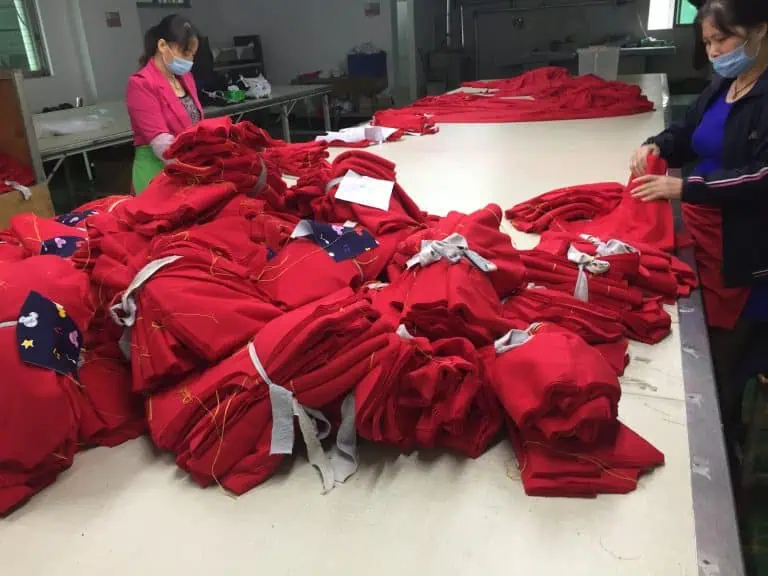
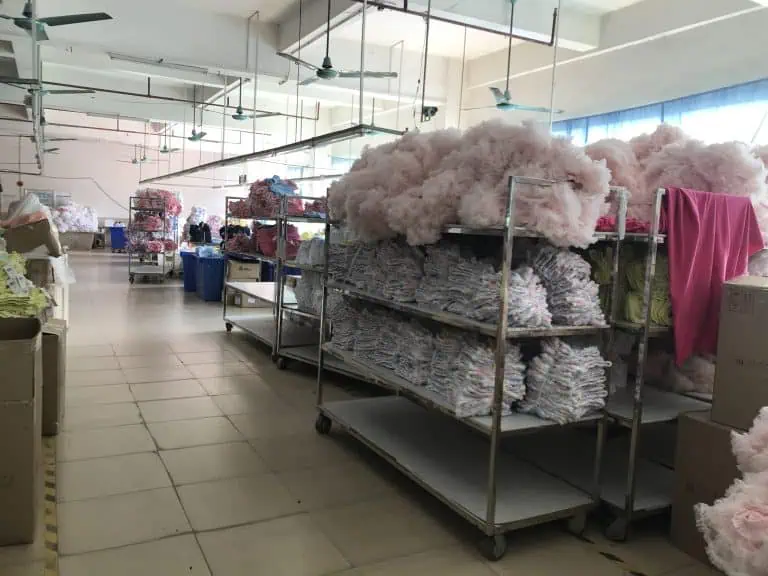
A legitimate clothing manufacturer will accommodate a visit or video tour without hesitation. A video call showing the production floor, the machinery, and the working conditions tells you far more than any email chain.
Good answer: Yes, with a willingness to schedule it promptly.
Red flag: Excuses about why visits aren’t possible, or a virtual tour that shows only the showroom and sample room rather than the actual production floor.
12. How do you lock fabric and colour for repeat orders?
This is the question that matters most for brands planning to reorder. Fabric dye lots vary between production runs, without a system for locking colour references, your second order may not match your first.
Ask specifically whether they retain fabric samples from each order, how they manage colour standards (Pantone references, physical swatch approvals), and what their process is for matching across runs.
Good answer: A documented colour approval process, retained reference samples, and a clear explanation of how they manage dye lot variation.
Red flag: No clear system, or reassurance that “it’s always consistent” without explaining how.
What to do with the answers
The goal isn’t to find a clothing manufacturer with perfect answers to every question. It’s to find one whose answers are honest, specific, and consistent.
Vague answers, deflection, and over-promising are more revealing than any individual response. A manufacturer that can’t explain its own processes clearly during the sales conversation won’t explain them more clearly when you’re three weeks into production.
Take notes during your conversations. Compare answers across multiple manufacturers. The one that gives you the clearest, most specific answers, even if some of those answers aren’t what you hoped to hear is almost always the better long-term partner.
How Bryden handles this for you
When you work with Bryden, you don’t need to ask these questions to a clothing manufacturer yourself. Our network of 34 certified factories in China has been personally audited by our Singapore team. We hold GOTS, GRS, OEKO-TEX, and FSC certifications across our network, and we manage the entire production relationship on your behalf so you’re not navigating factory vetting alone.
If you’ve been through a bad experience and want a manufacturing partner who handles the hard parts, get in touch here.
Frequently asked questions
What are the most important questions to ask a clothing manufacturer? The single most revealing question is who makes your samples versus who handles bulk production. Most quality problems originate in that gap. A manufacturer that can clearly explain their sample-to-bulk consistency process is demonstrating real quality control competence. Beyond that, always ask for direct client references and follow up with those brands personally.
How do I know if a clothing manufacturer is legitimate? Ask for third-party certifications (GOTS, GRS, OEKO-TEX), request factory audit reports, and ask for client references you can contact directly. A legitimate manufacturer provides all of these without hesitation. Also ask whether they’re a direct factory or a sourcing agent, you need to know exactly who is accountable for your production.
How many manufacturers should I vet before choosing one? Vet at least three. This gives you a baseline for comparing answers, pricing, and communication style. The goal isn’t to find the cheapest option, it’s to find the partner whose processes and communication style match how you want to work.
What are the biggest red flags when vetting a clothing manufacturer? Requests for 100% payment upfront from a new client. Reluctance to provide direct client references. Vague answers about sample-to-bulk consistency. No certifications with no clear explanation. And any manufacturer who claims they never have delays or quality issues. Every factory does, and the ones that won’t acknowledge it are the ones you find out about the hard way.
Should I visit a clothing manufacturer before placing an order? If you can, yes. A factory visit or at minimum a live video tour of the production floor tells you far more than emails and sample photos. A legitimate factory accommodates this without hesitation. For overseas manufacturers, a video call showing the production floor, machinery, and working conditions is a reasonable alternative to an in-person visit.
Back to: How to find a clothing manufacturer