Quality control in clothing manufacturing is the process of inspecting garments at multiple stages of production to catch defects before they reach your customer.
It covers everything from raw material checks before cutting begins to a final inspection of finished units before packing.
Without a structured QC process, defects that are invisible in a sample of ten units can appear across hundreds of units in your bulk order.
I’m Donovan from Bryden Apparel, a Singapore-based full-package custom clothing manufacturer with 34 certified factories in China. Since 2013, I’ve seen the full range of QC outcomes from brands that receive their bulk orders ready to ship to their customers without issues, and brands that receive orders with consistent defects across every unit because the factory had no process to catch the problem early.
The difference almost always comes down to three things: when QC checks happen, what standard they are measured against, and whether the brand stayed involved during production.
Why quality control matters more than the sample approval
Most brands understand that they need to approve a sample before bulk production starts. What many underestimate is that sample approval is the beginning of quality control, not the end of it.
A sample is made by a factory’s most skilled sample machinists, often by hand, with direct oversight from the sampling team. The bulk production line is different, it runs faster, involves more people, and distributes the risk of human error across every unit.
According to research from QIMA, a leading global quality inspection firm, quality failures can cost apparel brands 15-20% of revenue through scrap, returns, rework, and brand damage.
The most common reasons are measurement deviations from the approved spec, stitching defects, and colour inconsistencies, none of which would have appeared in a properly approved sample if production had been controlled correctly.
Quality control clothing manufacturing processes exist to bridge the gap between what your sample looks like and what your bulk production delivers.
The three stages of garment quality control

Stage 1: Pre-production checks
Pre-production QC happens before a single piece of fabric is cut. It covers two main areas: material inspection and pre-production sample approval.
Material inspection confirms that the fabric rolls received from the mill match your tech pack specifications: fibre content, weight in GSM, construction, colour against your Pantone reference, and any finish requirements such as water-repellency or anti-pilling treatment.
If the fabric fails at this stage, the problem is caught before it becomes embedded in a finished garment. If it passes and bulk cutting starts without checking, a fabric that is 20 GSM lighter than specified will show up in every unit and cannot be corrected after the fact.
Pre-production sample approval is the final sign-off before bulk cutting begins.
This sample is made from the actual production fabric, not sample material, and is the version your QC team and the factory’s QC team both measure and reference against for the rest of the production run.
Never start a production run without approving this sample.
Stage 2: Inline (during production) inspection
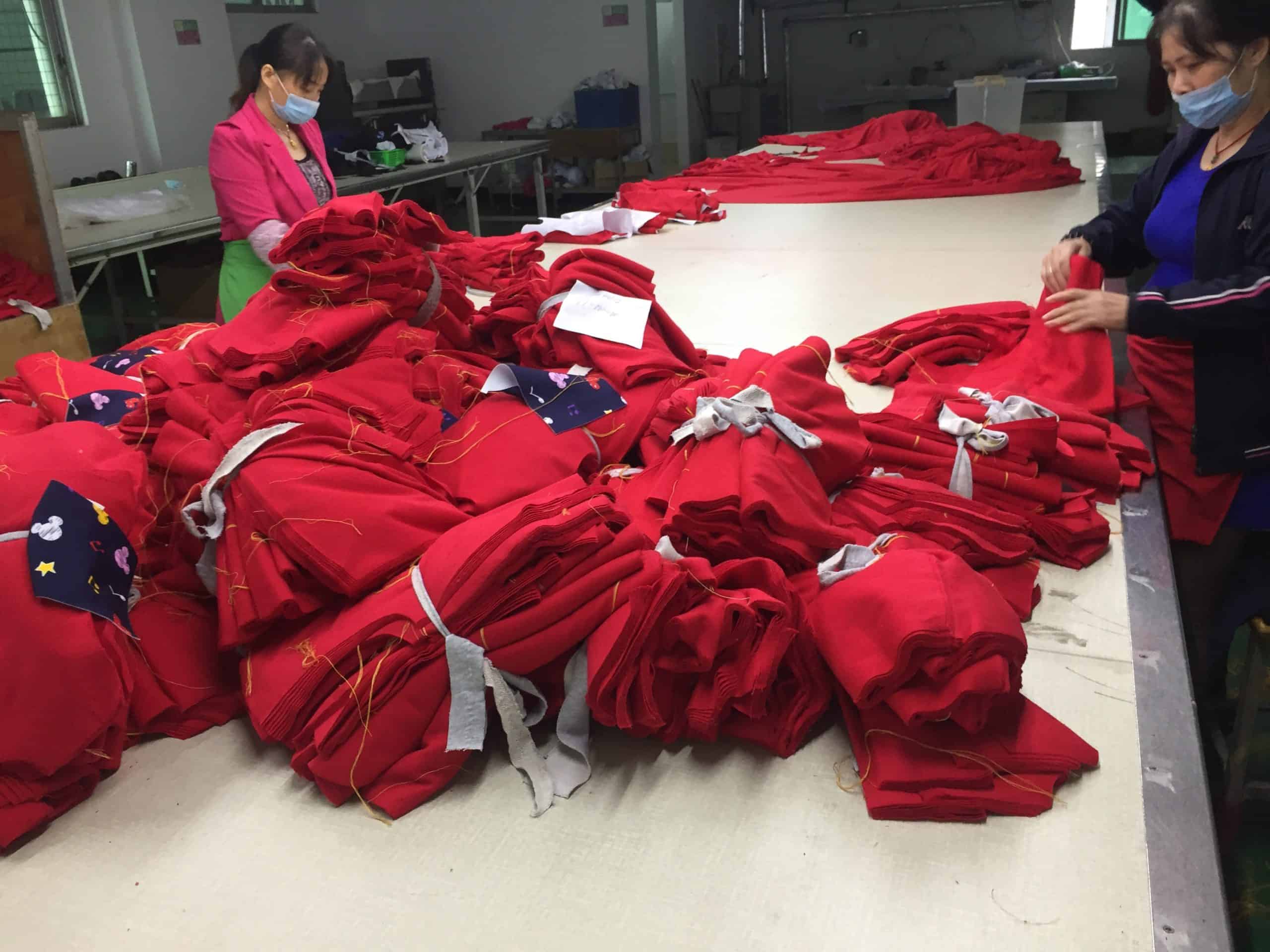
Inline inspection happens while the production line is running, typically after the first 10-20% of units have been completed. The goal is to catch recurring defects early enough that the remaining 80-90% of units can be corrected before they are finished.
Common defects caught at inline stage include: skipped stitches at high-stress seams, inconsistent hem widths, misaligned pocket placement, incorrect topstitch tension, and colour variation between fabric rolls if the factory did not batch-dye correctly.
Each of these can be corrected at the production line stage with minimal cost. The same defects caught at final inspection require either rework of finished units, which adds time and cost, or rejection of the affected units.
Inline inspection is the stage that most factories with poor QC processes skip or compress. If your factory tells you they only inspect at the end, that is a risk flag.
A well-run factory with a real QC process will have inline checks built into the production schedule, not added on at the end when it is too late to correct most defects efficiently.
Stage 3: Final inspection

Final inspection is conducted on finished, packed, or ready-to-pack units, typically covering 100% of units for small orders and a statistically representative sample for larger orders. This is where the AQL standard is applied.
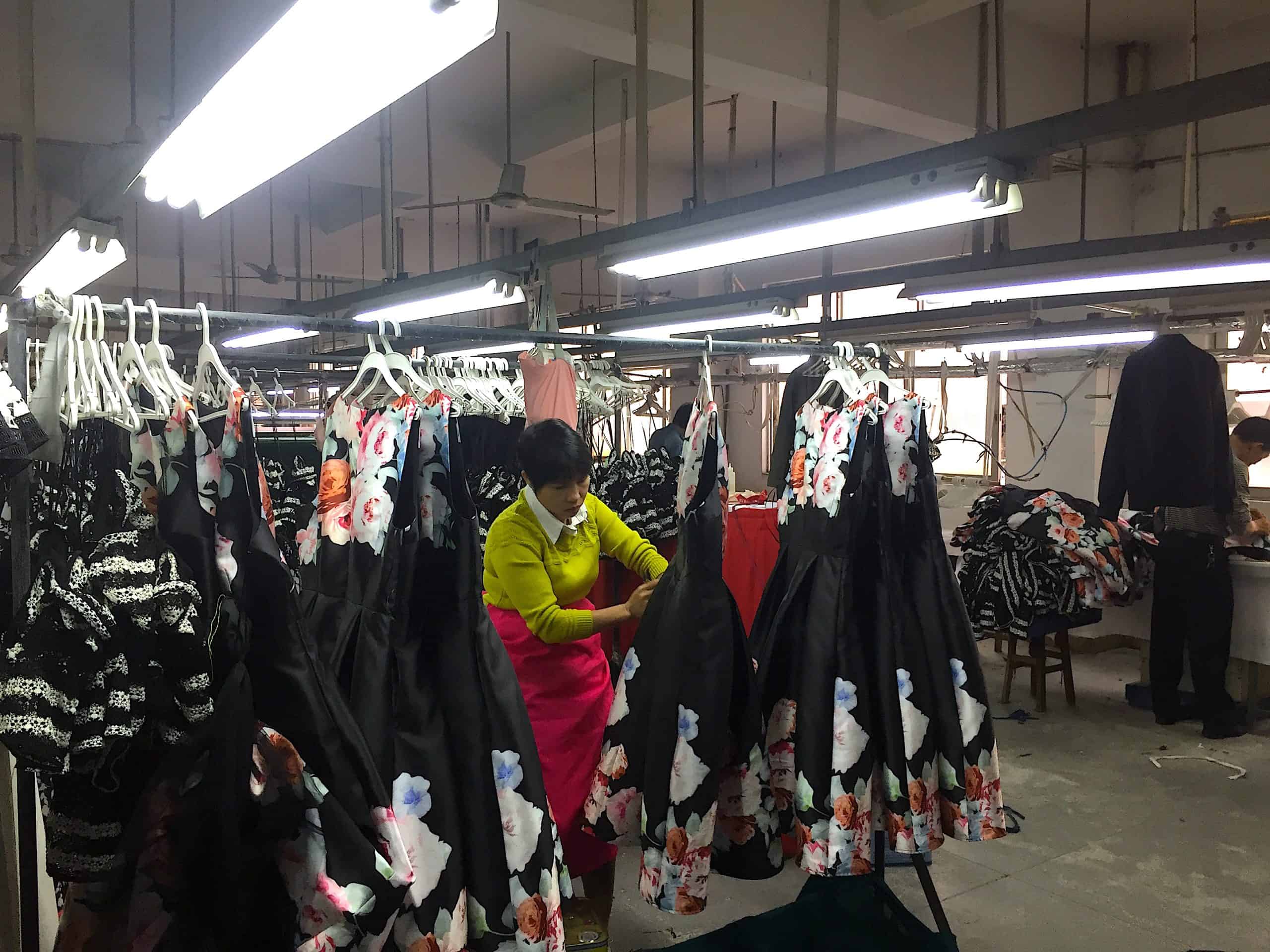
At Bryden, when bulk production is complete, our quality control team inspects the products to ensure quality standards are met, mends pieces, and corrects any issues before products are sent to the packaging department.
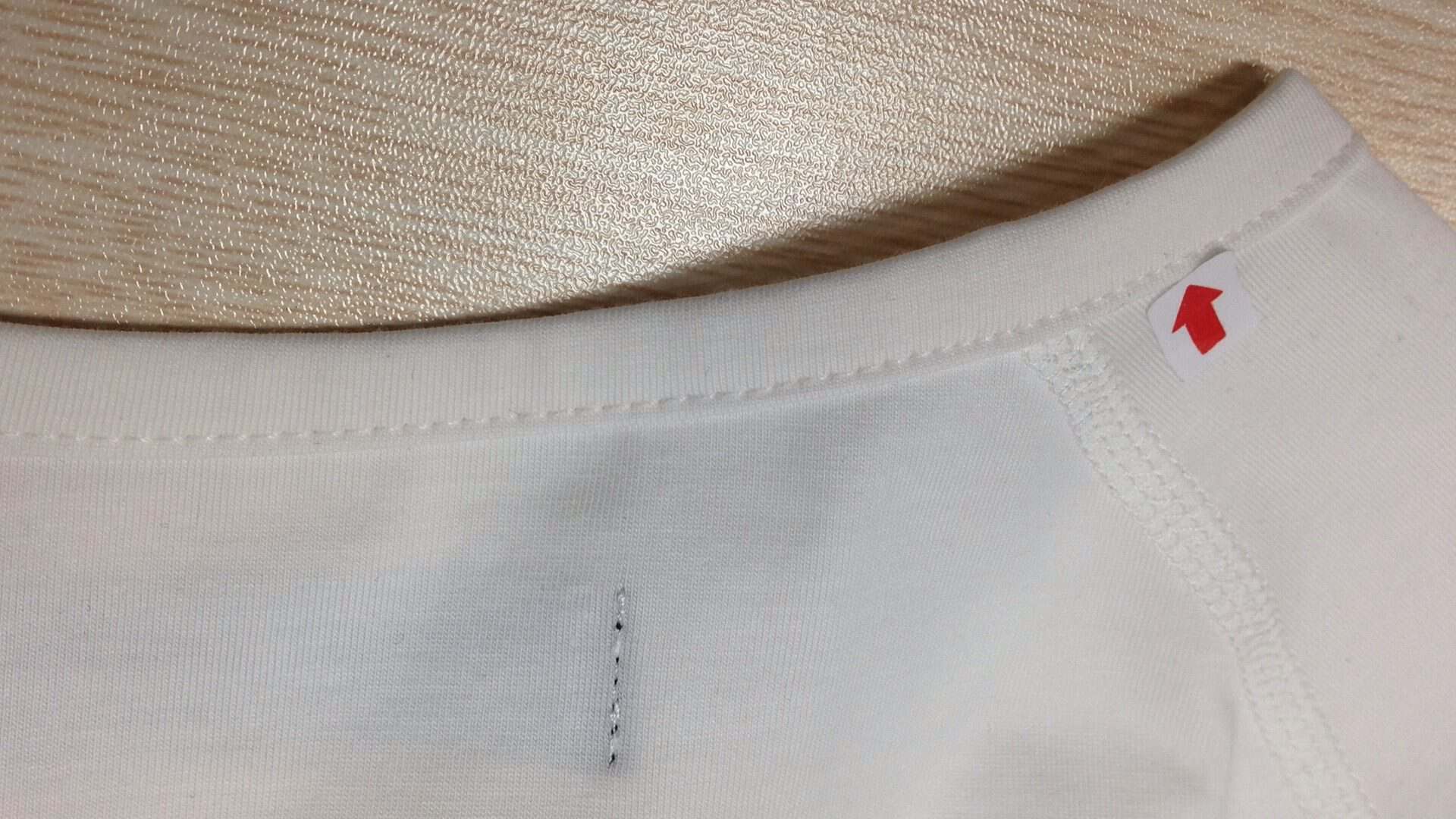
Final inspection checks include: measurements against the approved spec sheet with tolerances applied, visual check for defects (loose threads, uneven seams, staining, print registration errors), label placement and content, size distribution accuracy across the cartons, and packaging condition.
What AQL means and how it applies to your clothing order
AQL stands for Acceptable Quality Level. It is the international standard used in garment manufacturing inspections to determine how many defects are acceptable in a batch before the batch fails inspection. The AQL scale runs from 0 to 6.5. A lower AQL number means fewer defects are tolerated.
For most apparel orders, AQL 2.5 is the standard used for major defects, meaning defects that would make a garment unsaleable or unwearable. AQL 4.0 is typically applied to minor defects, meaning cosmetic imperfections that would not affect function but might affect perception of quality.
Critical defects, such as a safety hazard or a completely wrong label, have an AQL of 0 – zero units with that defect are acceptable.
In practical terms: for an order of 1,000 units inspected against AQL 2.5 for major defects, the inspector randomly selects 80 units and can find a maximum of 5 defective units before the batch fails. If 6 or more defective units are found in the sample of 80, the entire batch fails and must be 100% inspected and reworked before re-inspection.
Understanding AQL helps brands communicate QC expectations to their factory before production starts, not after. If your brand sells to retail buyers who specify AQL 2.5, that requirement needs to be in your purchase order so the factory’s QC team uses the correct standard.
What your brand can do to support good QC outcomes
Quality control is a shared responsibility. The factory has ownership of the manufacturing process, but the inspection requires something to measure against and that comes from the brand and has to be verified by an independent source.
Provide a complete, detailed tech pack.
Every measurement deviation in your bulk order traces back to a measurement specification that was either missing, ambiguous, or missing tolerances. A tech pack with complete graded measurements, clear tolerances, and detailed construction notes gives your factory’s QC team objective pass/fail criteria for every unit they inspect.
Specify AQL requirements in your purchase order.
If you don’t specify an AQL, the factory will apply its own internal standard, which may be more lenient than what you expect. State your AQL for major, minor, and critical defects explicitly.
Stay involved during production, not just at the end.
Request an inline inspection report after the first batch of units is completed. This gives you visibility into whether any recurring defects are being corrected before the full order is finished, rather than discovering them at final inspection when it is too late to act without delaying your ship date.
Consider a third-party inspection for your first order with any new factory.
A third-party inspector provides an independent check that is not subject to the factory’s own commercial interests. Companies like QIMA and Bureau Veritas offer pre-shipment inspections in China with 24-48 hour turnaround on reports. The cost for a standard pre-shipment inspection is typically $300-500, which is a fraction of the cost of receiving and resolving a failed shipment.
How Bryden’s QC process works across our 34 factories
All 34 factories in Bryden’s network are certified against independently verified standards. Our ethics commitments include factory audits and certifications covering labour practices, environmental standards, and production quality.
We work with OEKO-TEX 100 certified mills for fabric supply, which means material inputs meet chemical safety standards before they reach the production line.
For every bulk production order, Bryden’s QC process covers pre-production material inspection against the approved tech pack, inline checks during production, and a final inspection before packaging.
This QC team is employed directly by Bryden, not by the individual factories, so the people reporting on defects are not the same people responsible for hitting the factory’s production targets.
Where production defects are found, units are mended or corrected before they are counted as completed. We communicate inspection outcomes to clients before shipping and possible solutions. If a defect rate is outside the agreed AQL, we hold the shipment, rework the affected units, and re-inspect before it leaves the factory.
Frequently asked questions
What is quality control in clothing manufacturing?
Quality control in clothing manufacturing is the systematic process of inspecting garments at multiple stages of production, which are before cutting, during the production run, and at final inspection. The purpose is to identify, filter and correct defects before they reach the brand or end customer.
Pre-production inspection catches fabric and spec issues before the fabrics get cut and there is no way to return and get a refund for the fabrics.
Inline inspection catches construction defects while they can still be corrected cheaply. Final inspection catches whatever slipped through, measured against a defined AQL standard.
Skip any one of the three and the missed defects usually surface only once bulk production is already finished, which is the most expensive point to catch them
What is AQL and what level should I specify for my clothing order?
AQL (Acceptable Quality Level) is the international standard that defines how many defective units are acceptable in a batch before the batch fails inspection. For most apparel brands, AQL 2.5 for major defects and AQL 4.0 for minor defects is the standard starting point.
Brands supplying to retail buyers should check their retailer’s specific AQL requirements, as premium retailers often require AQL 1.5 for major defects. Include your AQL requirements in your purchase order from the start so your factory applies the correct standard throughout production.
How do I know if my factory actually has a QC process?
Ask your factory to describe their inline inspection process specifically. A factory with a real QC process will be able to tell you at what point in production inline checks occur, who conducts them, and what happens when a defect is found. They should also be able to provide you with an inspection report template.
Factories that only inspect at the end of production, or that cannot describe a structured inline process, are operating without meaningful production-stage quality control.
Third-party certification from organisations like BSCI, SEDEX, or OEKO-TEX gives you independent verification of the factory’s operating standards, though factory audits cover labour and environment more than production quality specifically.
Should I hire a third-party inspector for my clothing order?
For your first order with any new factory, a third-party pre-shipment inspection is strongly recommended. It costs $300-500 for a standard inspection in China through companies like QIMA or Bureau Veritas, covers a statistically representative sample of your units, and provides a detailed report you can act on before the shipment leaves the factory.
For established factory relationships with a track record of passing inspections, many brands reduce third-party inspection frequency – but for new relationships, the inspection cost is always lower than the cost of resolving a failed shipment after it has shipped.
What happens if my bulk order fails quality inspection?
If a bulk order fails inspection, the standard outcome is that the factory 100% inspects the full order, sorts defective units, reworks or replaces them, and submits for re-inspection before shipping.
The cost of rework typically falls to the factory if the defects are caused by production errors against an agreed spec.
If the defects trace back to incomplete or ambiguous specifications provided by the brand, the responsibility and cost are shared or shift to the brand.
This is why a complete, detailed tech pack with clear tolerances range matters before production starts. It’s what determines whether a cost dispute falls on the factory or on you.