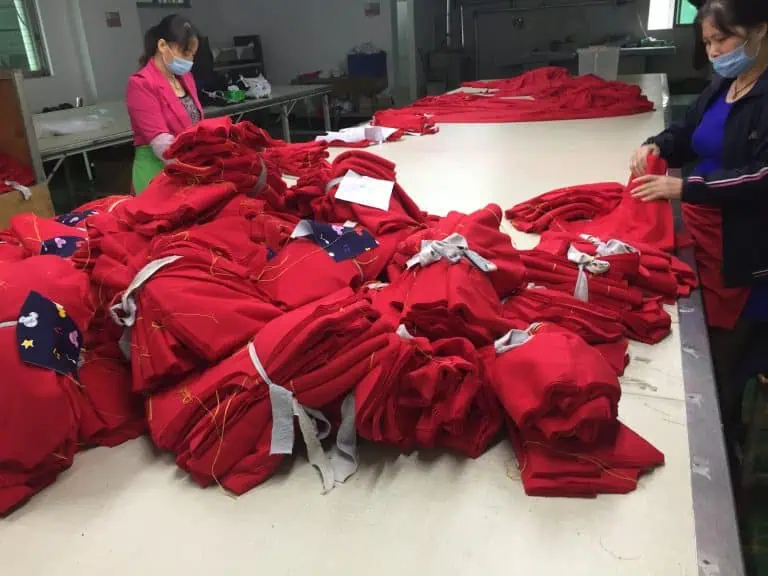
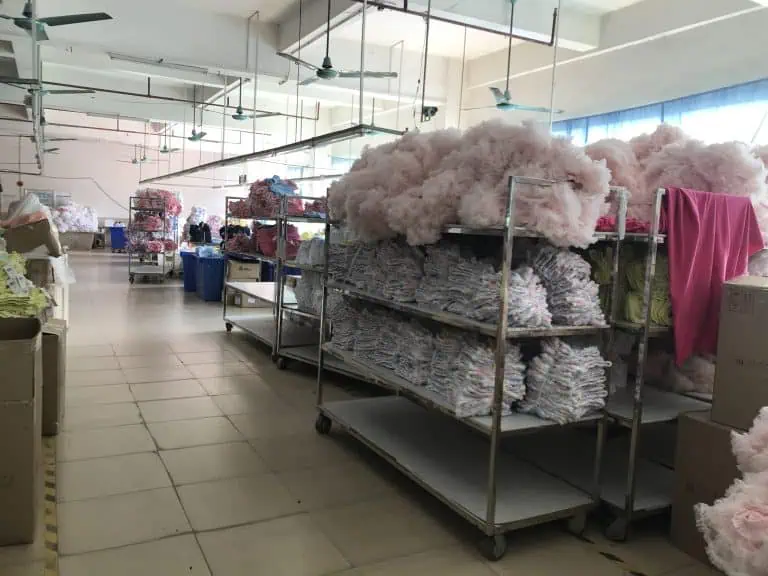
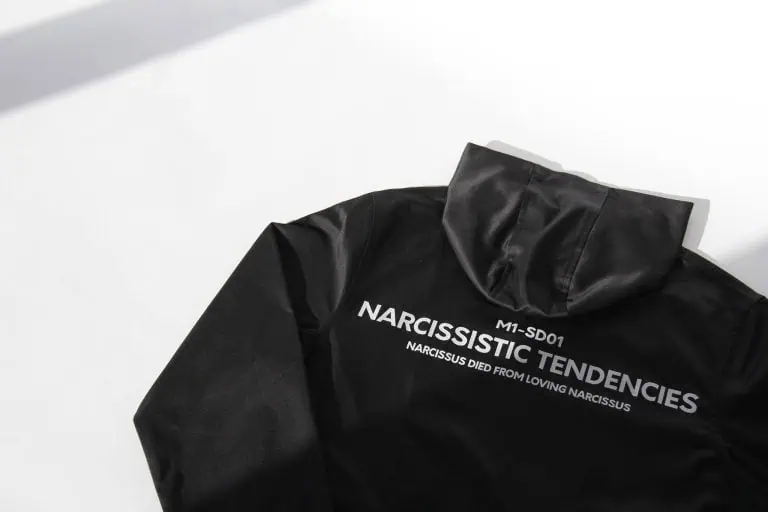
What is a cut & sew manufacturer?
A cut and sew manufacturer is a factory that cuts fabric and sews garments to your specifications as opposed to printing or embroidering on blank wholesale garments.
Cut and sew manufacturing gives clothing brands full control over fabric choice, fit, construction, and design from scratch. It sits within a broader set of production models like CMT, OEM, and full-package manufacturing and that differ in how much the factory does versus how much the brand manages itself.
I’ve been running Bryden Apparel since 2013 on a full package manufacturing model for most clients. Every brand we work with starts by asking the same question: which production model is right for us? The answer depends on your team’s experience, your volume, and how much of the supply chain you want to manage. Here’s the full breakdown of the different production models in clothing manufacturing.
What is cut and sew manufacturing?
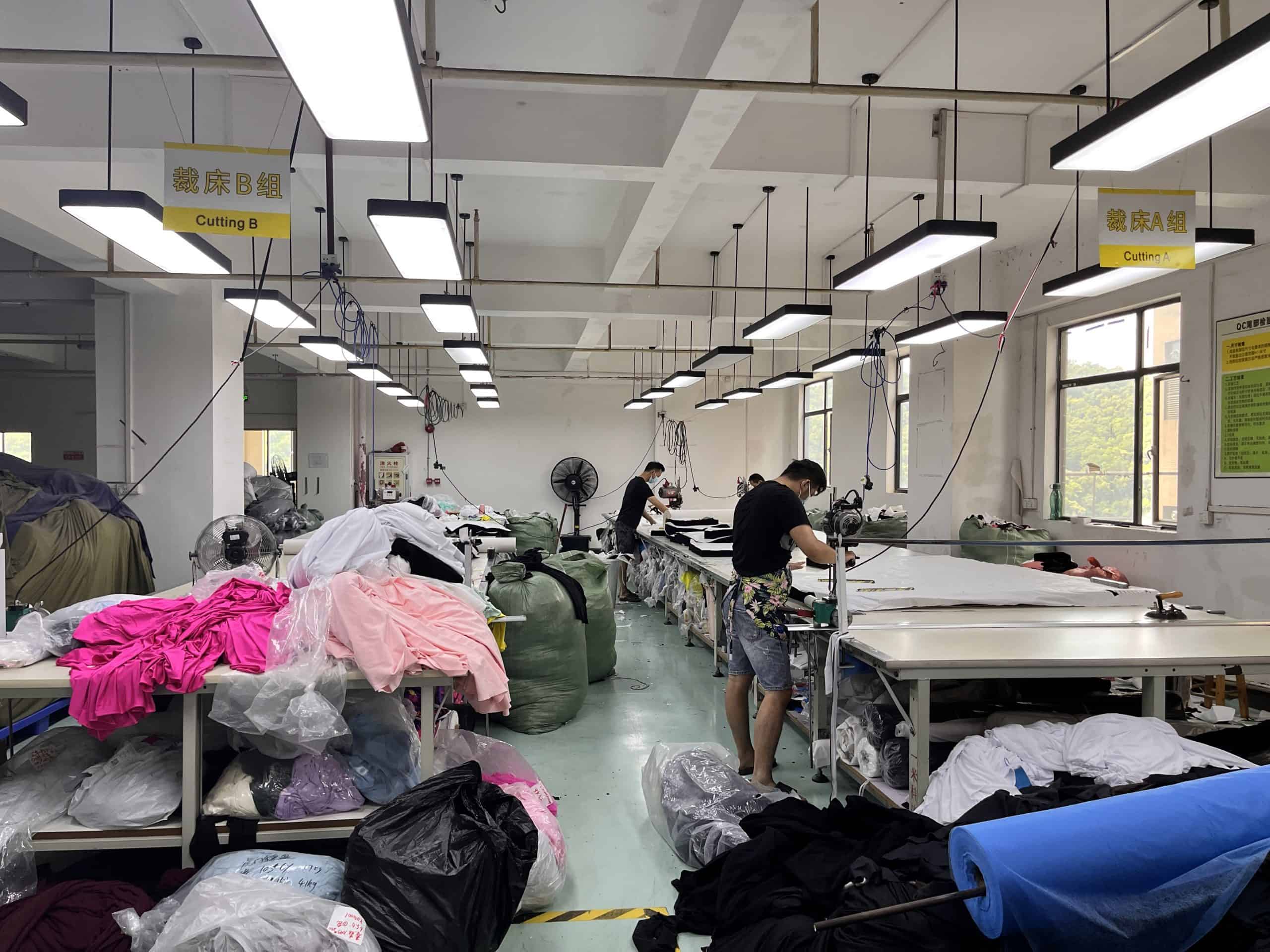
First of all, cut and sew manufacturing means your garments are made from scratch, raw fabric is cut to pattern and sewn into finished garments specifically for your brand. Nothing is printed onto a pre-made blank. The fabric, the construction, the fit, and the finish are all built to your spec.
This is the production method used by virtually every clothing brand that takes product quality seriously from startup streetwear labels producing 500-unit runs to enterprise clients managing large-scale uniform programs. If your brand requires a specific fabric weight, a particular seam construction, or a fit that differs from anything available off the shelf, cut and sew is the only route.
Cut and sew is not a single model as it describes the production method. How that production is managed and who is responsible for what depends on which manufacturing model you choose: CMT, OEM, or full-package. Understanding the difference between these three models is the most important decision you’ll make before approaching a manufacturer.
Cut and sew manufacturing models – CMT, OEM, and full-package compared
There are three main ways to work with a cut and sew manufacturer. Each assigns different responsibilities to the brand and the factory.
CMT – Cut, Make, Trim
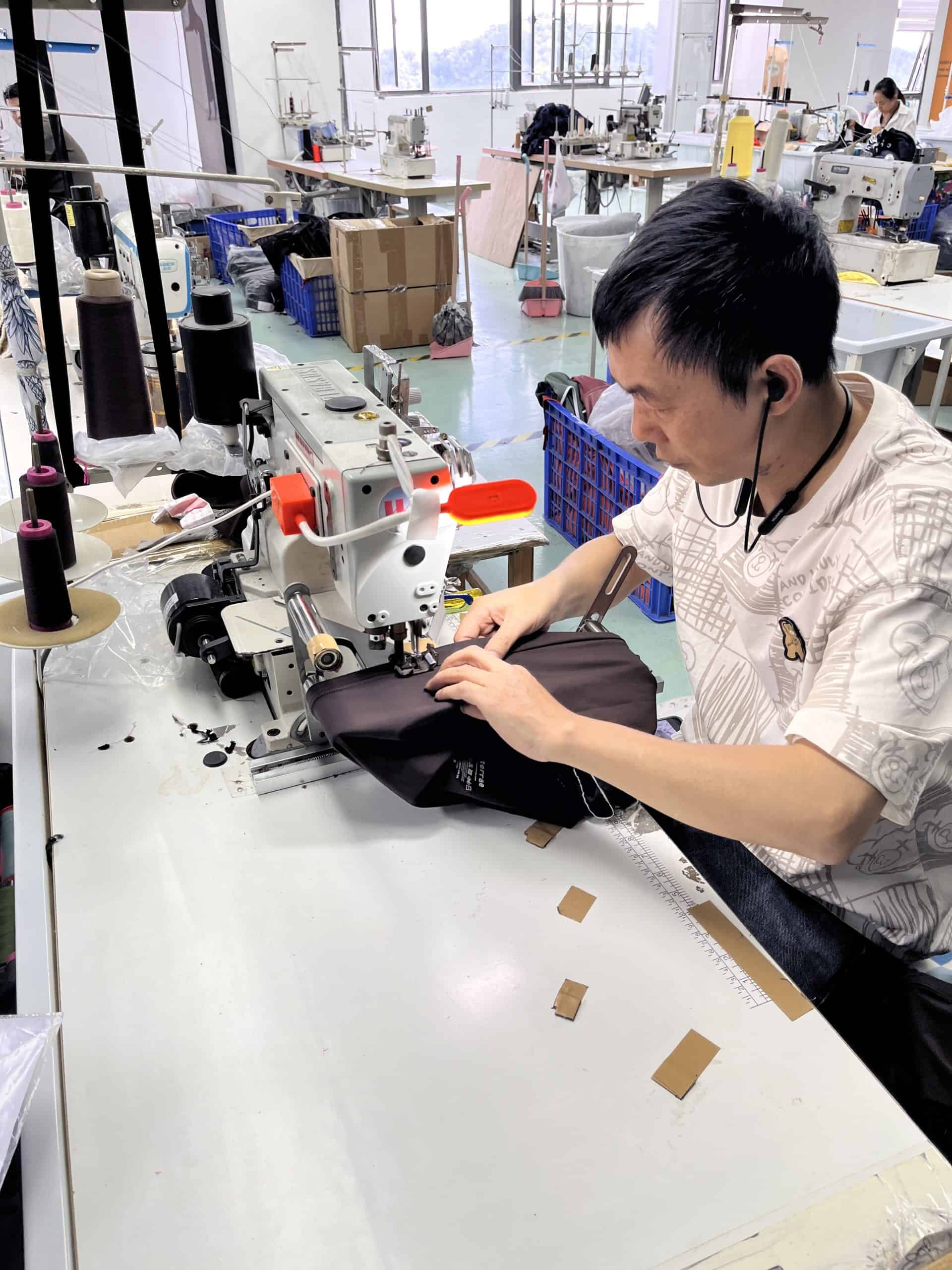
CMT is the most hands-on model for the brand. You source your own fabrics, develop your own patterns, and deliver everything to the factory. The factory cuts the fabric to your patterns, sews the garments, and attaches trims like zippers, labels, buttons, drawcords, whatever the spec calls for. That’s it. The factory provides labour only to cut, sew and pack the garments.
What you’re responsible for in CMT:
- Fabric sourcing and purchase
- Pattern making and grading
- Tech pack development
- Trims and hardware sourcing
- Shipping all materials to the factory
- Quality control of incoming materials
What the factory handles in CMT:
- Cutting fabric to your patterns
- Sewing to your spec
- Attaching trims
- Basic end-of-line quality inspection
- Packing the garments
CMT suits brands with an experienced in-house production team or founders with strong manufacturing backgrounds who already have fabric sourcing relationships. You carry maximum control and maximum risk. If the fabric you sourced has defects or the patterns aren’t graded correctly, that’s your problem, not the factory’s.
The factory-side cost for CMT is typically lower because you’re buying less of their service. But the total landed cost is often higher once you factor in sourcing trips, agents, and materials logistics.
OEM – Original Equipment Manufacturer
In OEM, you provide the factory with detailed technical specifications like design, measurements, fabric requirements, colorways, trims and the factory sources materials and produces the garment to match. The key difference from CMT is that the factory handles material sourcing. You’re not shipping fabric to the factory. You’re telling them what fabric you want and they help to source it.
What you’re responsible for in OEM:
- Design and concept
- Tech pack development
- Fabric and trim specifications
- Approving samples
- Final quality approval before shipment
What the factory handles in OEM:
- Sourcing fabric and trims to your spec
- Pattern making (sometimes shared)
- Sampling and revisions
- Bulk cut and sew production
- In-production quality control
OEM is the most common model for mid-market brands that have found their product-market fit and are scaling. You need solid tech packs and a clear vision that the factory executes exactly what you give them. If the spec is wrong, the garment is wrong.
Full-package manufacturing
Full-package manufacturing, also called FPP (Full Production Package) means the factory manages the entire process from start to finish. You bring a concept, a reference sample, or a brief. The factory handles design development, fabric sourcing, pattern making, sampling, bulk cut and sew production, quality control, finishing, and packaging.
This is the model Bryden Apparel operates on. When a brand comes to us, they’re not sending fabric rolls or pattern files. They’re bringing a product idea, sometimes a sketch, sometimes a reference garment or a detailed brief and we take it from there.
What you’re responsible for in full-package:
- Brand direction and product brief
- Approving samples at each stage
- Final sign-off before bulk production
- Payment
What the factory handles in full-package:
- Design development and tech pack creation
- Fabric and trim sourcing
- Pattern making and grading
- First samples, fit samples, pre-production samples
- Bulk cut and sew production
- In-line and end-of-line quality control
- Packaging, labelling, and export documentation
Full-package works best for brands without a large in-house production team so that you can focus on your brand and product direction & the factory executes. The trade-off is less granular control over individual inputs. You’re trusting the manufacturer’s sourcing relationships, expertise and quality systems.
Cut and sew manufacturing models – side by side comparsion
| Factor | CMT | OEM | Full-package |
|---|---|---|---|
| Who sources fabric | You | Factory (to your spec) | Factory |
| Who makes patterns | You | Shared / factory | Factory |
| Factory responsibility | Cut and sew labour only | Materials + cut and sew | End-to-end |
| Control level | High | Medium | Lower but you approve every stage |
| Experience required | High | Medium | Low, the factory manages complexity |
| Best for | Brands with in-house sourcing teams | Mid-market brands with strong tech packs | Startups, scaling brands, enterprise buyers |
| Cost structure | Lower factory cost, higher sourcing overhead | Balanced | Higher unit cost, lower total overhead |
| Risk | Brand carries materials risk | Shared | Factory carries more operational risk |
What is a cut and sew manufacturer vs a screen print or embroidery supplier?
This is a distinction worth making clearly because a lot of brands start out confused about it.
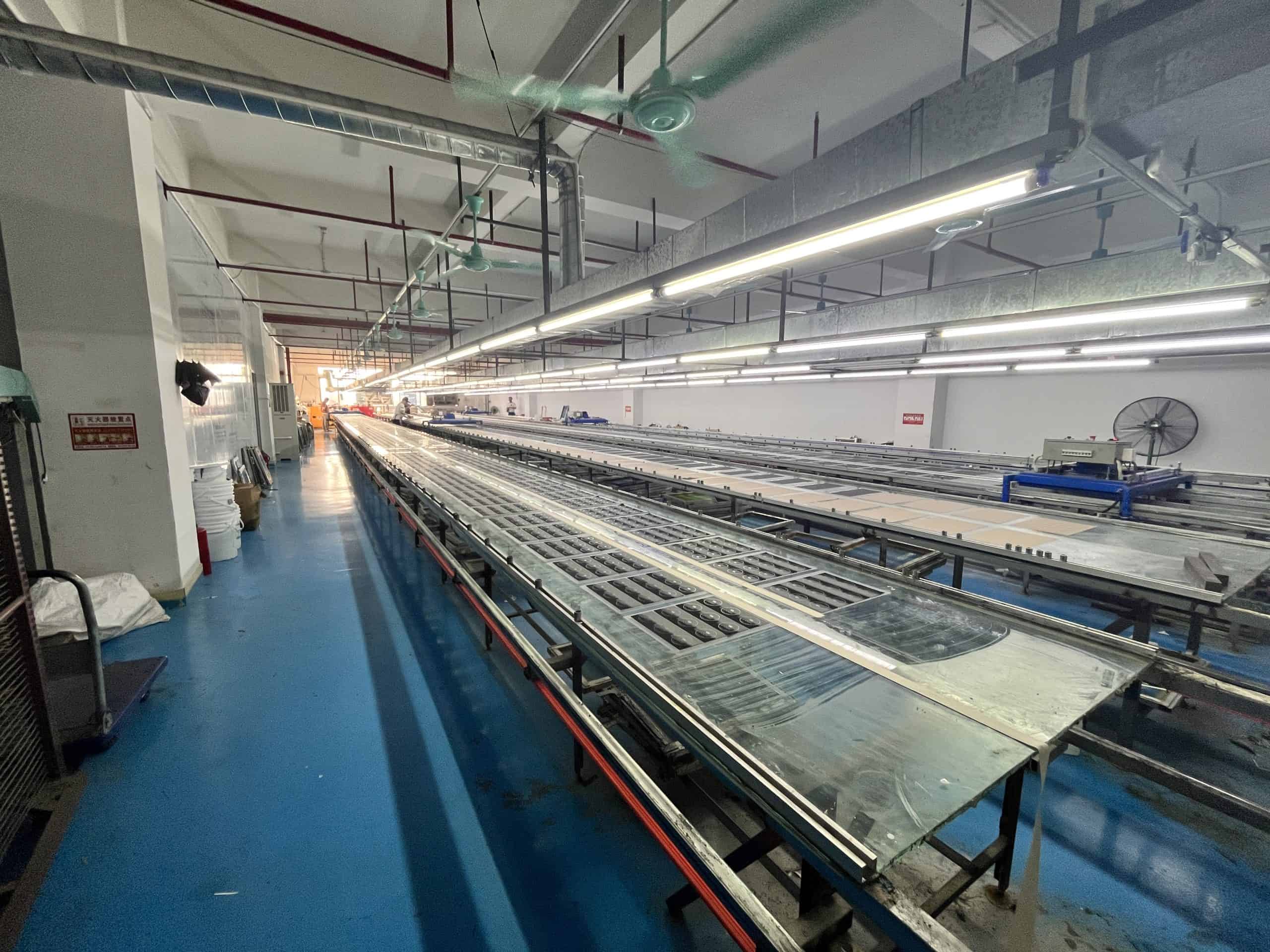
A screen print or embroidery supplier takes a blank wholesale garment like a plain t-shirt or hoodie bought from a distributor like Gildan or Next Level and adds your design on top. The garment itself is mass-produced and identical to what thousands of other brands are using. You have no control over the fabric, the fit, the construction, or the weight. It’s fast and cheap for small quantities and good for brand that are starting out and want to get their feet wet, but it produces a generic product.
A cut and sew manufacturer builds the garment from raw fabric specifically for your brand. The fabric, the weight, the fit, the seam construction, the trims, all of it is specified by you and produced to your standard. The result is a product that is genuinely yours, not a commodity blank with your logo on it.
Most brands start with screen printing on blanks to test the market, then move to cut and sew manufacturing once they’ve validated demand and are ready to build a real product. The MOQ for cut and sew is higher. At Bryden, our minimum is 80-100 pieces per colour per design with a 500-piece total order minimum but the product quality and brand differentiation are in a different category.
How to find the right cut and sew manufacturer
The right cut and sew manufacturer depends on which production model you need and what your order volume looks like. Here’s what to evaluate:
1. Confirm they do cut and sew from raw fabric
Some suppliers advertise “custom manufacturing” but are actually decorating blanks. Ask directly: do you source raw fabric and cut to pattern, or do you work from wholesale blanks? A genuine cut and sew manufacturer will be able to discuss fabric sourcing, pattern making, and sampling processes in detail.
2. Understand their production model
Are they CMT only, meaning you need to supply fabric and patterns? Or do they offer OEM or full-package services where they handle sourcing and development? If you don’t have an in-house production team, a CMT-only factory will be a difficult relationship.
3. Check their MOQ against your order size
Cut and sew manufacturers have MOQs because they’re making fabric commitments upfront. MOQs typically range from 50 to 500 pieces per style depending on the factory and the complexity of the garment. Full-package manufacturers generally have higher MOQs than CMT factories because they’re carrying more of the production risk. Bryden’s MOQ is 100 pieces per colour per design.
4. Ask about sampling lead times
Cut and sew manufacturing requires a sampling stage before bulk production. A first sample typically takes 4-6 weeks from pattern development to delivery. Fit revisions add time. Budget at least 6-10 weeks for the full sampling process before bulk production begins. Manufacturers who promise faster timelines without a credible explanation of how they’ll achieve them are a red flag.
5. Verify certifications if sustainability matters to your brand
If your brand requires GOTS (Global Organic Textile Standard), GRS (Global Recycled Standard), or OEKO-TEX certified production, confirm that the manufacturer’s factories hold those certifications, not just that they claim to use certified materials.
Which cut and sew manufacturing model is right for your brand?
Choose CMT if you have an experienced production manager with established fabric sourcing relationships and you want maximum control over every material input. CMT works at volume, the sourcing overhead rarely makes economic sense under 1,000 units.
Choose OEM if you have a clear design vision and can produce a detailed tech pack, but don’t want to manage fabric sourcing logistics. OEM gives you creative direction without the supply chain overhead. It’s the most common model for brands in the USD $500K to $5M revenue range.
Choose full-package if you’re building your first collection, entering a new category, or managing a complex enterprise brief. Full-package is also the right choice when speed matters, full-package manufacturers move faster because they own the sourcing relationships and don’t depend on the brand to supply materials before production can begin.
At Bryden, most of our clients are on full-package. They range from first-time founders with a strong brand concept but no production experience, to enterprise buyers managing large-scale hotel uniform programs. The common thread is that they want a manufacturing partner who takes ownership , not just a factory that cuts and sews what they send over.
What about ODM – Original Design Manufacturing?
ODM is a fourth model worth understanding. In ODM, the factory owns the design and you white-label it. You’re buying an existing garment from the factory’s catalogue and applying your branding. It’s cut and sew production, but you’re not bringing your own design.
ODM suits businesses that want to launch quickly with low development cost and don’t need a differentiated product. It’s common in private label retail. It’s rarely the right model for brands building a distinctive product identity, because the same base design is available to your competitors.
How production model affects your MOQ
CMT factories often accept lower MOQs on the production side because they’re not carrying fabric inventory risk, you’re supplying the materials. Full-package manufacturers have higher MOQs because they’re making upfront commitments to fabric mills and trim suppliers on your behalf.
If you’re working with a tight budget and small initial run, CMT can seem attractive on MOQ. But factor in the full cost like sourcing agents, fabric procurement, shipping materials internationally, and the production management time before assuming CMT is cheaper overall.
Frequently asked questions
What is a cut and sew manufacturer?
A cut and sew manufacturer is a factory that produces garments from raw fabric cut to pattern, as opposed to decorating pre-made blank garments with screen printing or embroidery. Cut and sew manufacturing gives clothing brands full control over fabric, fit, construction, and finish. It is used by brands that want a custom product built to their own specification rather than a generic blank with branding added.
What is the difference between cut and sew and screen printing?
Screen printing applies your design to a pre-made blank wholesale garment. Cut and sew manufacturing builds the garment from scratch using raw fabric cut to your patterns. Cut and sew gives you control over every element of the product from fabric, weight, fit, construction, and trims. Screen printing on blanks is faster and cheaper for small quantities but produces a generic product that is identical in construction to what other brands are using.
What does CMT stand for in clothing manufacturing?
CMT stands for Cut, Make, Trim. It is a cut and sew manufacturing model where the brand supplies all materials like fabric, pattern files, and trims and the factory provides labour only: cutting the fabric, sewing the garments, and attaching trims. The brand is responsible for all sourcing and carries the materials risk.
What is full-package manufacturing?
Full-package manufacturing is a cut and sew production model where the factory manages the entire process from fabric sourcing, pattern making, sampling, bulk production, quality control, and packaging based on a brief or concept from the brand. It is the most hands-off model for the brand and best suited to teams without in-house production expertise.
What is the minimum order quantity for cut and sew manufacturing?
MOQs for cut and sew manufacturing typically range from 50 to 500 pieces per style depending on the factory, garment type, and production model. Full-package manufacturers generally have higher MOQs than CMT factories. At Bryden Apparel, the MOQ is 80-100 pieces per colour per design with a 500-piece minimum across a total order.
How long does cut and sew manufacturing take?
A typical cut and sew production timeline runs 15-20 weeks from brief to delivery. This includes 4-6 weeks for pattern development and first sample, 2-3 weeks for fit revisions and pre-production sample approval, and 4-6 weeks for bulk production and shipping. Timelines vary by garment complexity, factory capacity, and how quickly the brand approves samples at each stage.
What is OEM clothing manufacturing?
OEM (Original Equipment Manufacturer) is a cut and sew production model where the brand provides design specifications and the factory sources materials and manufactures the garment to match. The brand owns the design; the factory manages material procurement and production. It sits between CMT (brand sources everything) and full-package (factory manages everything end-to-end).