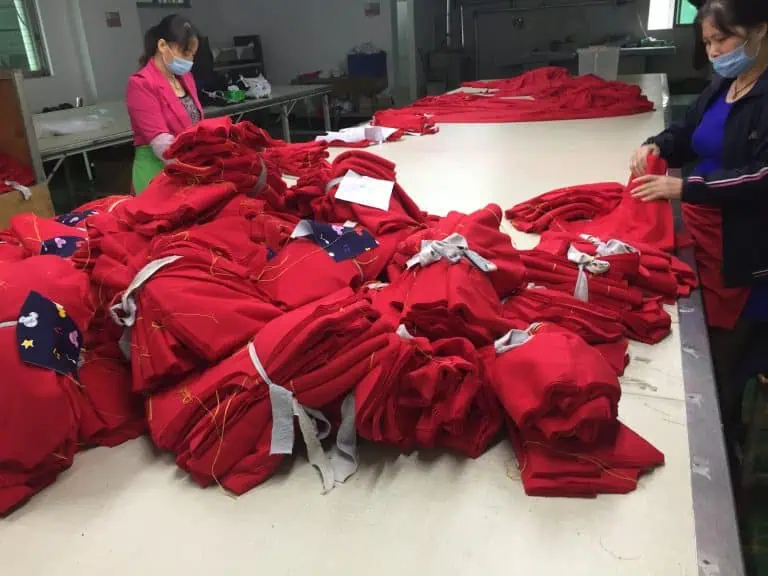
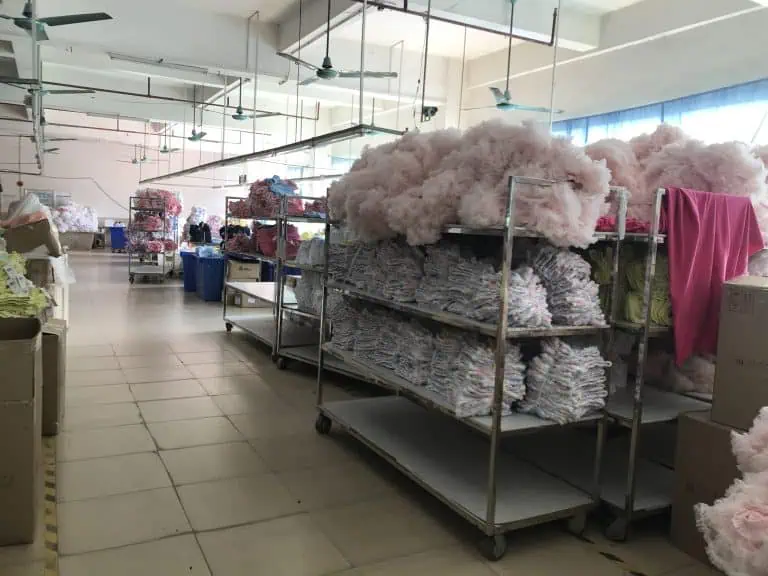
Finding the right partner to produce sustainable apparel can feel overwhelming. Organic clothing manufacturers specialise in creating garments from natural materials like organic cotton, bamboo, and recycled fibers while following strict environmental and ethical standards.
These companies help brands and designers bring eco-friendly clothing to market. They skip the harmful chemicals and practices you’ll find in conventional textile production.
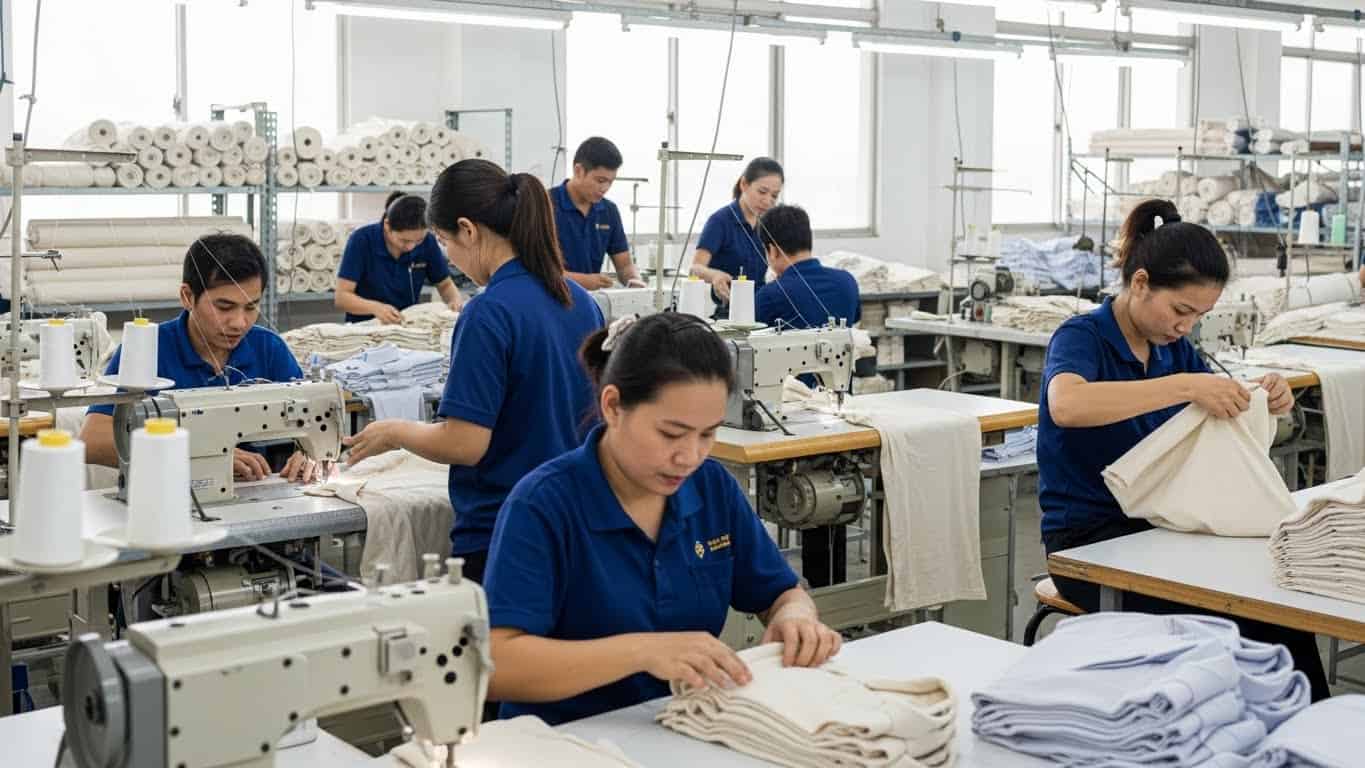
The shift toward sustainable fashion has sparked a growing network of manufacturers worldwide. Some focus on organic basics and essentials, while others handle custom designs or chase specific certifications.
When choosing organic clothing manufacturers, some brands consider local production or international partners who can provide a better range of price points and manufacturing capabilities.
Understanding what makes a manufacturer truly organic matters for both quality and credibility. The best manufacturers hold certifications like GOTS or OCS that verify their materials and processes meet strict standards.
They also prioritize fair labor practices and transparent supply chains from raw material to finished product. That’s the kind of peace of mind you want, right?
Key Takeaways
- Organic clothing manufacturers create garments from natural materials without harmful chemicals while meeting environmental and ethical standards
- Look for certifications like GOTS and OCS to verify a manufacturer uses authentic organic materials and safe production methods
- Working with organic manufacturers offers benefits like healthier products and reduced environmental impact but may require higher minimums and longer lead times
Understanding Organic Clothing Manufacturing
Organic clothing manufacturing uses natural fibers grown without synthetic chemicals. These manufacturers follow strict standards that cover everything from how crops are grown to how workers are treated during production.
What Defines Organic Clothing
Organic clothing means garments made from fibers grown without synthetic pesticides, fertilizers, or GMOs. The production process must meet specific certification standards that verify the organic status of materials.
Organic clothing manufacturers use materials like organic cotton, hemp, linen, and wool. These fibers come from farms that use natural methods to maintain soil health and control pests.
Certification bodies like GOTS (Global Organic Textile Standard) and OCS (The Organic Content Standard) verify that products meet organic standards. These certifications examine the entire supply chain from farm to finished garment.
They check that manufacturers avoid harmful chemicals during dyeing, printing, and finishing processes. The definition extends beyond just raw materials and includes fair labor practices and environmental responsibility throughout production.
Key Differences from Conventional Clothing Fabric & Manufacturing
Conventional clothing production relies heavily on synthetic chemicals and pesticides during fiber cultivation. Cotton farming alone uses about 16% of the world’s pesticides even though it covers just 2.5% of agricultural land.
Organic apparel manufacturing eliminates these toxic substances. Manufacturers use natural alternatives for pest control and soil enrichment.
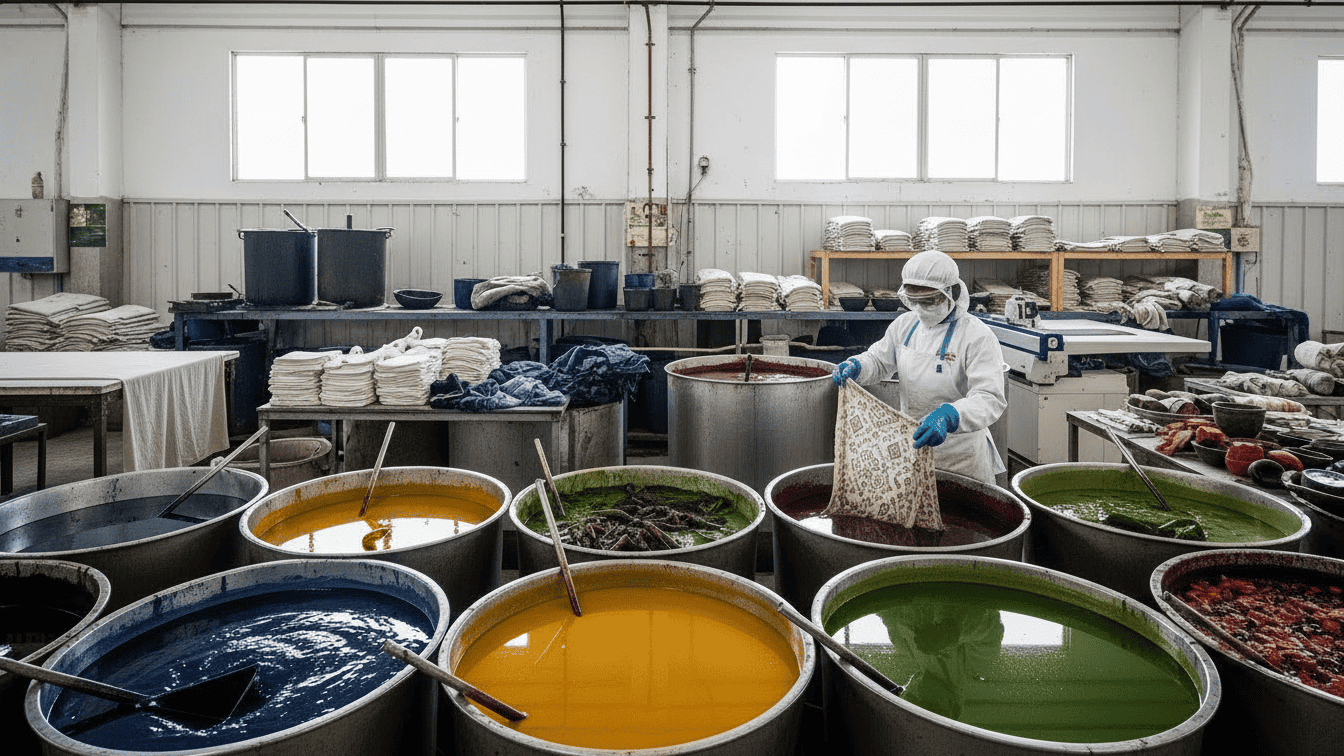
They avoid chlorine bleaching and use low-impact dyes instead of conventional chemical dyes. Water usage differs a lot between the two methods.
Organic farming usually needs less irrigation and prevents chemical runoff into waterways. Conventional production often releases untreated wastewater containing harmful chemicals directly into rivers and streams.
Energy consumption varies as well. Organic clothing manufacturing often uses renewable energy and tries to lower carbon emissions throughout production.
The Importance of Organic Materials
Organic materials protect both human health and the environment. Clothing made from conventional cotton can contain pesticide residues that touch skin directly and might cause allergic reactions or irritation.
Organic materials are grown in soil free from synthetic chemicals for at least three years. This waiting period ensures no contamination remains in the fibers.
The result? Softer, more breathable fabrics that are gentler on sensitive skin. Environmental benefits include healthier soil, cleaner water supplies, and reduced greenhouse gas emissions.
Organic farming practices build soil fertility naturally through crop rotation and composting. This creates ecosystems that support beneficial insects and wildlife.
Workers benefit too. Farm laborers avoid toxic pesticides and work in safer conditions.
Fair trade practices often accompany organic certification, ensuring workers receive fair wages and work reasonable hours. Honestly, that’s a win for everyone involved.
Common Organic Fabrics and Sustainable Materials
Organic clothing manufacturers rely on specific materials that reduce environmental harm while keeping quality and durability high. These fabrics range from plant-based fibers grown without chemicals to innovative recycled materials that give new life to existing resources.
Organic Cotton and Its Benefits
Organic cotton stands out as the most popular choice among sustainable fabric manufacturers worldwide. This material grows without synthetic pesticides, herbicides, or GM seeds.
The farming process uses 91% less water than conventional cotton and protects soil health through crop rotation. Manufacturers like Bella+Canvas and Royal Apparel use organic cotton certified by the Global Organic Textile Standard (GOTS).
This certification ensures the cotton meets strict environmental and social criteria throughout the entire supply chain. The fabric feels softer against skin and causes fewer allergic reactions compared to conventional cotton.
Organic cotton keeps the same durability and versatility as regular cotton. It works well for t-shirts, hoodies, dresses, and activewear.
Companies like SoftShirts produce 100% combed ringspun organic cotton garments that offer excellent print surfaces with minimal lint.
Blends with Bamboo, Hemp, and Linen
Manufacturers create fabric blends to combine the strengths of different organic materials. Hemp fabric is super durable and gets softer with each wash.
It needs minimal water to grow and naturally resists mold and UV light. Bamboo viscose brings a silky texture and great moisture-wicking properties.
The plant grows quickly without pesticides and regenerates from its roots after harvesting. Royal Apparel makes clothing from bamboo viscose blends along with hemp options.
Linen comes from flax plants that thrive in poor soil with little water. This fabric breathes well in hot weather and actually gets stronger when wet.
Sustainable fabric suppliers often mix linen with organic cotton or hemp to balance texture and performance. These blends help shrink the environmental footprint while offering different fabric characteristics for various clothing types.
Industry Certifications and Standards
Organic clothing manufacturers rely on specific certifications to prove their products meet strict environmental and social standards. The Global Organic Textile Standard sets the benchmark for organic textiles worldwide.
Several other certifications address different aspects of sustainable manufacturing. Let’s break down the big ones.
Global Organic Textile Standard (GOTS)
The Global Organic Textile Standard (GOTS) is the leading certification for organic textiles globally. It covers the entire production process from harvesting raw materials to final labeling.
GOTS-certified products must contain a minimum percentage of organic fibers. The standard restricts the use of harmful chemicals and dyes throughout processing.
Manufacturers also have to meet social criteria like fair wages and safe working conditions. To get GOTS certification, manufacturers go through on-site inspections and audits of their textile facilities.
Auditors review documents and talk to workers to check compliance. The certification ensures that textiles are made from organic fibers and meet strict environmental and social requirements at every stage.
Other Organic Apparel Certifications
Several additional certifications complement GOTS in the organic clothing industry. The Soil Association Organic Standard ensures textiles come from organic fibers and meet environmental and social criteria while avoiding harmful chemicals.
OEKO-TEX STANDARD 100 tests textile products for harmful substances to make sure they’re safe for human health. The Global Recycled Standard (GRS) verifies recycled content in products and checks for responsible practices throughout the supply chain.
Fair Trade Certified guarantees workers get fair wages and safe conditions. These certifications provide structured frameworks to verify sustainability practices from farming to final garment manufacturing.
Choosing the Right Organic Clothing Manufacturer

Finding the right partner means looking closely at their production abilities and customization options. You’ll also want to see their commitment to transparent sourcing practices.
Brand owners need to assess these factors thoroughly to build a successful sustainable clothing line. It’s a lot to consider, but getting it right makes all the difference.
Evaluating Manufacturer Capabilities
Production capacity can make or break your ability to scale and meet demand. Assessing manufacturing capacity means looking at the facility size, what machinery they’ve got, and the skill set of their workforce.
Ask about their monthly output and whether they can handle your specific garment types, like activewear or basics. It’s surprising how many manufacturers aren’t upfront about their limits—so push for clarity here.
Quality control is where you spot the difference between a reliable partner and a headache. Qualified apparel manufacturers set up checkpoints at every stage, from raw material inspection to in-line assembly checks and final product audits.
These steps keep defects to a minimum and help maintain consistent quality across your orders. It’s worth asking for details about their quality protocols—don’t just take their word for it.
Key capability indicators include:
- Experience handling organic cotton fibers
- Average lead times from order to delivery (usually 30-90 days)
- Flexibility with minimum order quantities
- Certifications like GOTS and OCS
Green clothing manufacturers need both technical know-how and a proven track record. You can—and should—request production samples and facility documentation to back up their claims.
Custom Apparel and Private Label Options
Most brands want more than just standard designs. Custom apparel services let you develop products that actually match your brand vibe.
Private label clothing manufacturers handle production so you can sell under your own name, skipping the headache of setting up your own factory. Private labeling is super flexible for startups and established brands alike.
These manufacturers usually offer design consultation, help with pattern development, and create samples before you commit to a full run. It’s a way to reduce financial risk and still keep a handle on quality.
Some clothing suppliers only do basic tweaks—like adding logos or swapping colors. Others go all-in, handling pattern making, fabric selection, and unique construction techniques.
Get clear on what each manufacturer will actually customize before you sign anything. You don’t want surprises down the line.
Supply Chains and Sourcing Transparency
Transparency in supply chains isn’t just a buzzword. It builds trust and protects your brand’s reputation.
Organic clothing manufacturers should share where they source raw materials, how their cotton is grown, and which facilities handle each processing step. This lets you verify their sustainability claims and dodge greenwashing accusations.
Good suppliers keep documentation throughout their supply chains. They can trace organic cotton from the farm through ginning, spinning, dyeing, and assembly.
Third-party audits and compliance reports add another layer of verification for ethical practices. You’ll want to see those before you commit.
Essential transparency elements:
- Farm-to-garment traceability docs
- Worker conditions and fair labor certifications
- Environmental impact assessments
- Details on chemical use and wastewater treatment
Ask for detailed supplier info early on. If a manufacturer won’t share, that’s probably a red flag for their sustainability claims.
Benefits and Challenges of Working with Organic Clothing Manufacturers
Working with organic clothing manufacturers brings big environmental and health upsides, plus support for ethical labor. But there’s no sugarcoating it—higher production costs and tricky supply chains are real hurdles.
The move to organic materials opens up chances for market differentiation, but you’ll need to navigate sourcing challenges and scaling issues too.
Environmental and Health Advantages
Organic clothing manufacturers use materials grown without synthetic pesticides, fertilizers, or GMOs. This approach cuts water pollution and protects soil health compared to conventional farming.
Workers and farmers benefit from safer conditions, since they aren’t exposed to toxic chemicals during cultivation and processing. Organic fabrics support better health for everyone in the supply chain, from the field to the factory.
The production process for organic materials usually uses less water and energy. If you care about reducing your carbon footprint, choosing eco-committed manufacturers makes a real difference.
Many organic clothing manufacturers also focus on ethical labor practices through Fair Trade certifications. They pay living wages and keep working conditions safe, so you get social impact along with environmental benefits.
Cost Considerations and Market Trends
Organic cotton costs more to produce, which means higher prices for shoppers. Organic certification, specialized farming, and smaller production runs all push up expenses.
Despite the price, demand for sustainable fashion keeps climbing. More people want brands that match their environmental values, and they’re often willing to pay extra for organic clothing.
The market gives brands a chance to stand out through transparency and sustainability. If you invest in organic materials, you can tap into the growing eco-conscious crowd and build a loyal group of customers.
Manufacturers are working on more efficient production methods to help bring costs down. As the organic textile industry grows, prices might get closer to conventional options—though it’s hard to say when.
Challenges in Sourcing and Production
Scaling up operations is tough for organic clothing manufacturers. There just isn’t enough certified organic material, which can slow things down and cause supply chain headaches.
Finding reliable suppliers who actually meet organic certification standards takes serious vetting and ongoing checks. Manufacturers have to keep detailed paperwork to verify organic status at every step.
Quality control gets trickier with organic materials, since natural fibers can vary more in texture and color compared to conventional textiles. Production capacity is also limited, because fewer factories specialize in organic material production and processing.
Brands might face higher minimum order quantities or longer delivery timelines than with regular manufacturing. It’s not always easy, but being prepared helps.
Trends and Innovations in Organic Clothing Manufacturing
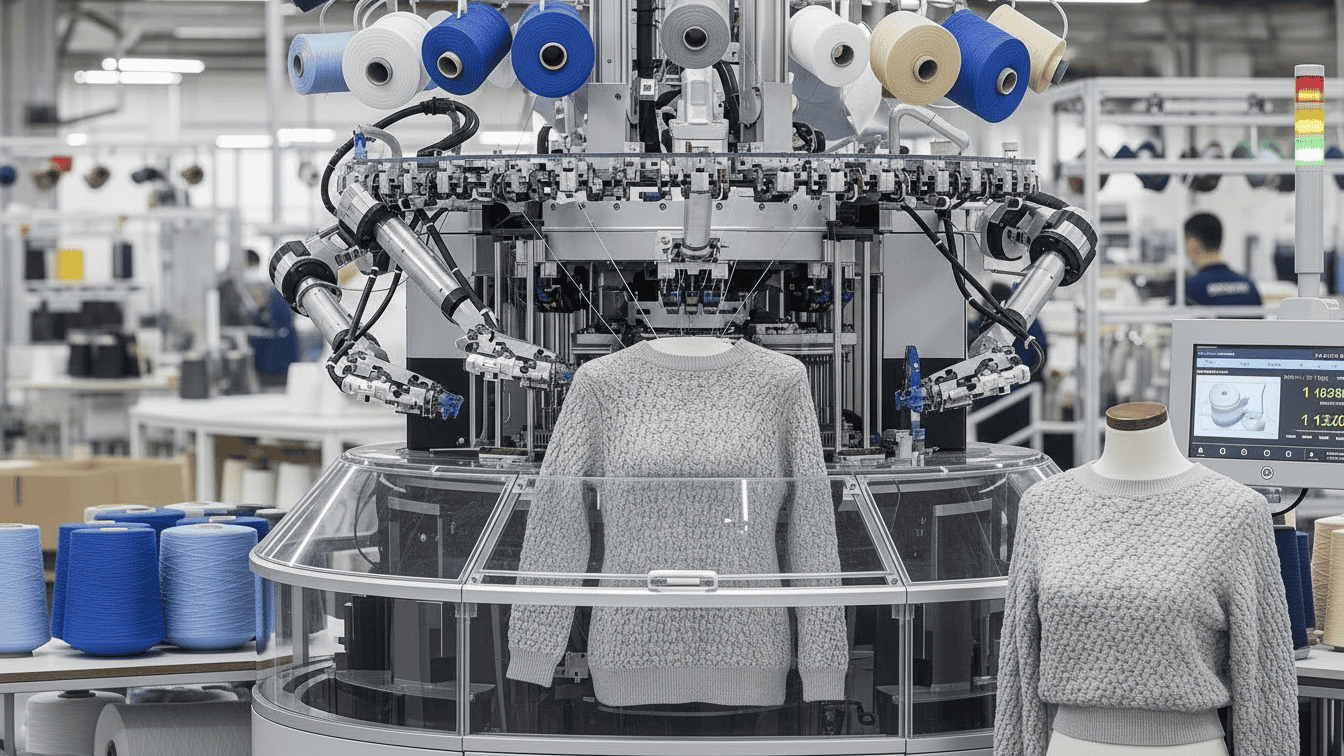
Organic clothing manufacturing is changing fast, thanks to smart automation and enzyme-based processing. Demand for certified sustainable materials and transparent production keeps pushing the industry forward.
Emerging Sustainable Technologies
Industry 4.0 automation is shaking up how green clothing manufacturers make organic fabrics. AI and robotics help cut fabric waste by improving precision and accuracy.
Digital textile printing can slash printing costs by up to 90% and cut water use in half. It also skips the toxic chemicals you’d find in traditional screen printing.
Enzyme-based finishing treatments are replacing harsh chemicals in organic clothing manufacturing. Bio-engineered enzymes like cellulases and amylases take care of bio-polishing and stain removal, so water systems stay cleaner.
Some companies specialize in these eco-friendly treatments, making textile production more responsible. Innovative textile materials like hemp, bamboo, and recycled polyester blends are popping up everywhere.
Lyocell fiber uses a closed-loop process that recycles almost all of its non-toxic solvents. Waterless dyeing and solar-powered manufacturing are also on the rise, helping shrink the environmental footprint of organic fabrics.
RFID tags make it possible to track materials in real time throughout the supply chain. Blockchain tech is starting to verify ethical sourcing and labor conditions in organic clothing production.
Future Market Opportunities
Global market trends for 2025 point to rising demand for certified organic cotton and sustainable textiles. Brands that mix sustainability with creative design are set to lead the way.
Key market opportunities include:
- Patented functional fabrics with performance features
- Ergonomic garment designs using natural fiber blends
- Recycled components blended with organic materials
- 3D knitting tech that cuts production waste
Consumer choices really drive the success of organic clothing manufacturing. More buyers are supporting brands that put ethics and the environment first.
Sustainable clothing manufacturers can grow by being transparent about their supply chains. Certification programs verify organic fabric quality and sustainable production. The move toward circular production opens new doors for brands focused on responsible manufacturing—without sacrificing style or quality.
Frequently Asked Questions
Organic clothing manufacturing comes with its own certifications, quality checks, and sustainable practices that set it apart from the usual production. Knowing the price differences and labor standards helps you make better choices.
What are the certification standards for organic clothing?
The Global Organic Textile Standard (GOTS) is the gold standard for organic clothing. It requires at least 70% organic fibers and strict environmental and social rules throughout the process.
OEKO-TEX Standard 100 certifies that products are free from nasty chemicals. USDA Organic covers raw materials like cotton grown without synthetic pesticides or fertilizers.
Organic Content Standard (OCS) checks the amount of organic material in a product. Fair Trade certification makes sure ethical labor practices go hand-in-hand with organic standards.
How can I verify the quality of materials used by organic clothing manufacturers?
Ask manufacturers for their certification documents. Real certifications include batch numbers, dates, and third-party verification stamps you can check with certifying bodies.
Lab testing gives hard data on fiber content and chemical residues. Many organic clothing manufacturers follow strict environmental and ethical rules, with documentation you can review.
Physically inspecting fabric samples shows you thread count, density, and build quality. Manufacturers should be upfront about their supply chain from farm to finished product.
What are the environmental benefits of choosing organic clothing production?
Organic farming skips synthetic pesticides and fertilizers that pollute soil and water. This helps protect ecosystems and cut pollution in farming communities.
Organic production uses much less water than regular cotton farming. No toxic chemicals means safer conditions for workers and local wildlife.
Natural fibers break down faster, so there’s less landfill waste compared to synthetics. Sustainable clothing production uses materials and methods that aim to minimize harm to people and the planet.
Can you provide information on the labor practices involved in organic clothing manufacturing?
Fair labor standards require safe working conditions, fair hours, and decent pay. GOTS certification also bans child labor and forced labor.
Workers in certified factories get proper training and protective gear. Audits check that everyone follows labor standards across the supply chain.
Organic clothing manufacturers in the USA often follow stricter labor rules thanks to domestic regulations. These days, brands want transparency in labor practices when picking manufacturing partners.
In what ways do organic clothing manufacturers integrate sustainability in their supply chain?
Manufacturers keep a close eye on materials, starting at certified organic farms and following them through each production stage. They use digital systems to document every step, which helps with transparency and keeps conventional materials out of the mix.
Many facilities have switched to water recycling systems and renewable energy to shrink their environmental footprint. Some are ditching plastic packaging, but finding alternatives that actually work for everyone is still a bit of a headache.
Waste reduction programs get creative by repurposing fabric scraps and cutting down on chemical use. When it makes sense, manufacturers source materials locally to keep transportation emissions lower.
What are the price comparisons between organic and conventional clothing manufacturing?
Organic clothing usually costs about 20-50% more than conventional options. This bump in price comes from things like certification fees, organic farming methods, and better labor standards.
Minimum order quantities (MOQ) play a big role in pricing for both organic and conventional manufacturing. If you go for larger orders, you’ll almost always see the per-unit cost drop, no matter what fabric you pick.
Bulk orders and building a good relationship with your manufacturer can help bring down prices for organic production as time goes on.