

Packaging serves a purpose beyond protecting clothes. It’s the first impression customers get when they receive an order. Boxes, mailers, and little extras like tags or stickers make unboxing special. Choosing the right packaging matters, whether it’s casual wear or luxury pieces.
Different types of packaging have different jobs. Cardboard boxes are great for big items, and custom poly mailers are perfect for smaller clothes. Eco-conscious brands lean toward sustainable options, which show their values.
Packaging has become more than a wrapping product—creating lasting customer impressions. Exploring the impact of the right packing can shape brand identity and success.
Introduction to custom packaging for clothing brands

Packaging isn’t only a protective layer; it’s the first introduction to your audience. Yes, it shields garments, but it is also a communication tool for your brand. It adds that extra excitement for customers during unboxing. It includes boxes, poly mailers, bags, and even details like tissue paper or stickers.
Having shipping packaging for clothing protects it from possible damage. Nobody wants their fresh jacket or shirt arriving damaged or soiled! More than protection, packaging should reflect your brand’s essence. Colors, logos, and designs are all essential tools to communicate your message.
How your packaging looks impacts your brand’s image in the market. More than safeguarding the product, it evokes an emotional connection with the buyer. It’s not only about safety, but creating an experience that sticks with your customers.
Importance of packaging in the fashion industry
First impressions in fashion often stem from packaging. Think back to the last time you unwrapped a beautifully designed box—didn’t it fill you with excitement? Whether it’s luxury or casual, packaging tells a story about the brand at first glance. That initial touch can make a lasting impact.
Protection is another key factor. Clothes face rough handling during shipping—tossed around in trucks or storage. Without solid protection, items may arrive damaged or dirty, leading to disappointed customers. A sturdy box or well-sealed mailer guarantees secure delivery.
Sustainability is also becoming a major focus. Today’s consumers expect sustainable options. Adopting sustainable packaging attracts shoppers who care about their purchases and the planet. Choosing these options shows a brand’s dedication to something bigger than profit.
Benefits of custom packaging for clothing brands
Packaging is a potent tool for building brand perception. The right choice of packaging can shift how a customer sees your entire brand.
Brand identity and marketing
Custom packaging lets your brand tell its story. Specific colors and designs help set the tone of your whole look and feel. A bright, energetic package reflecting your clothing line creates instant recognition. Customers can form an emotional connection with your brand the moment they see and feel it.
Beyond looks, well-designed packaging communicates values and adds perceived value. Premium packaging can justify higher prices by enhancing the customer experience. The right design makes customers feel like they’re getting something special, akin to receiving a present.
Eye-catching package also drives impulse buys and builds trust. Unique designs set your brand apart, making it memorable and share-worthy. Satisfied customers spread the word, increasing visibility and bringing in new business.
Customer experience
Unboxing should feel like a celebration! A thoughtful process builds excitement and boosts satisfaction. Simple touches, like thank-you notes or small gifts, create a bond with your customers. These small details turn packaging into something personal and memorable.
Quality and attention to detail are key. Branded tissue paper, ribbons, or stickers add a touch of luxury. Consistency in packaging not only shows care but also builds trust. A great unboxing experience leaves customers excited to share and encourages repeat purchases.
Sustainability and eco-friendliness
Interest in sustainable packaging grows stronger each day. Brands opting for recyclable or biodegradable materials earn recognition from eco-conscious shoppers. By making responsible choices, brands strengthen both their image and their environmental impact.
Brands that embrace green packaging find long-term savings and positive customer responses. Major brands are leading by example with eco-forward packaging solutions.

Source: Bloomberg
Take Uniqlo as an example. Uniqlo made a bold move by replacing single-use plastics. Now, they use FSC-certified paper bags, showing they care about the environment.
Source: Circle Economy Foundation
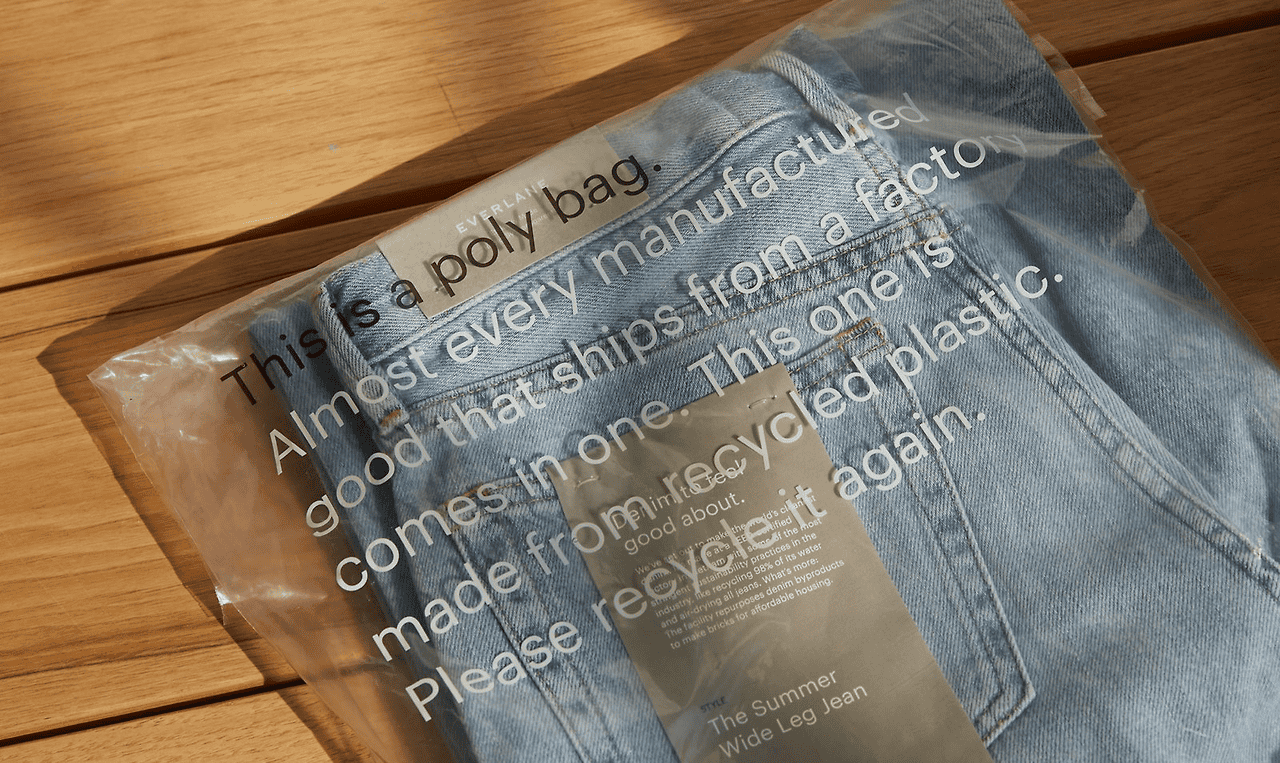
Everlane takes it further with initiatives like No New Plastic. They are using recycled materials, such as plastic bottles. This highlights their serious commitment to sustainability and environmental responsibility.
Building a brand’s identity goes beyond looks—it’s about the choices you make. Sustainable packaging adds responsibility to the mix, while customer satisfaction grows stronger. Thoughtful packaging makes a difference in the competitive fashion industry.
Types of packaging for apparel brands
Your brand’s perception grows with every packaging choice you make. Brands can select from a variety of options, each offering distinct advantages.
1. Mailers
Mailers are essential for shipping apparel. Seal strips are often added to secure closures, protecting the contents throughout transit. Two popular options include Poly mailers and paper mailers. Each has distinct advantages in cost, durability, and environmental impact.
Poly mailers
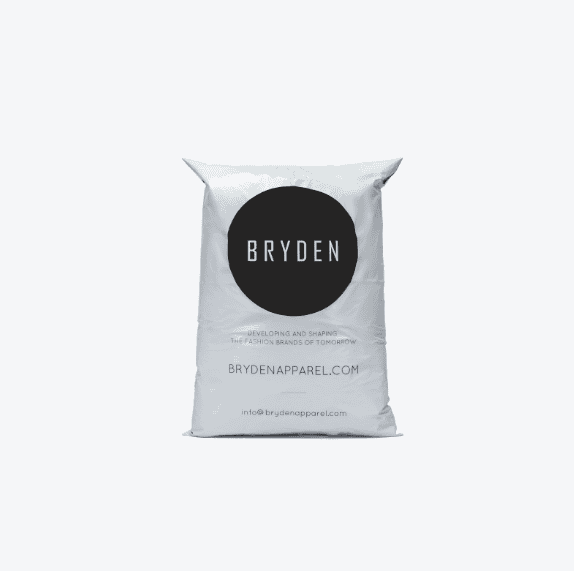
Poly mailers offer strength and durability. They are waterproof and tear-resistant. These features help them handle rough shipping conditions. Though recyclable, they often need special recycling facilities.
Paper mailers

Source: Outerknown
Crafted from high-quality paper, these mailers often incorporate recycled content. Though not as tough as poly mailers, they still offer protection for clothing. Paper mailers may not be waterproof, but they are a great option for eco-conscious brands. They are biodegradable and bring peace of mind, even if they’re a bit pricier.
Choosing between poly and paper mailers
When picking a mailer, think about the type of product. Lightweight items like t-shirts fit well in poly mailers. Meanwhile, paper mailers offer an upscale experience..
Also, consider your brand’s values. If sustainability is key, paper mailers might be the way to go. Cost is another factor—poly mailers are generally more affordable. Understanding customers matters. Eco-conscious shoppers may lean toward paper, while others value durability and cost.
Various mailers serve different purposes. Options include Kraft mailers, recycled mailers, padded mailers, and foil envelopes. Each type allows brands to select what fits best.
2. Boxes

Custom shipping boxes and gift boxes play a crucial role in apparel packaging. Crafted from chipboard, paperboard, or corrugated cardboard, they ensure safe delivery. Tailor these boxes with your brand logos, colors, and custom finishing options to boost brand recognition. Stylish finishing options like debossing/embossing, paper coating, & handy features like easy-open tabs or handles add to customer convenience & experience. Unboxing becomes a delightful tactile experience.
Gift boxes use high-quality rigid cardboard for sturdiness and a premium feel. Decorative elements like ribbons or magnetic closures enhance their appeal.
Boxes come in many types. Luxury boxes, tubes, paper cans, magnetic, and flat pack options exist. Each type meets specific packaging needs, with the material’s gauge (thickness) ensuring sturdiness.
3. Bags

Bags for apparel packaging come in various materials, each with unique benefits. Options include plastic, paper, cloth (like cotton and canvas), muslin, PVC, and foil. Each material offers different advantages in durability, eco-friendliness, and visual appeal.
There are many ways to customize bags for packaging. These options make your packaging unique and eye-catching.
Printing
Bags can show logos and designs. You can integrate Pantone colours to ensure you have consistent branding. Use screen printing, digital printing, or dye sublimation.
Embroidery
Adding embroidered logos to cloth bags enhances their premium feel. Consider adding your company’s name, slogan, or a small design. Embroidery is a durable option that will last for years to come.
Finishing
Employing the use of thoughtful finishing options will add an elevated sense of quality and enhance the brand experience for the customer. An embossed logo on a bag will feel different as compared to a flat printed bag.
Patches
Custom patches can personalize bags with unique designs. Create patches in various shapes, sizes, and materials. Add your logo, a mascot, or even taglines.
Handles and closures
Customization offers different handle styles. Choose rope or ribbon handles and closures like zippers or drawstrings. These features enhance both functionality and style, making bags more appealing.
Various bag types exist. There are ziplock, drawstring, paper, cloth tote, muslin, PVC, and foil bags. These options allow brands to choose what best fits their needs.
Branding opportunities with bags
Custom bags present excellent branding opportunities for apparel companies. Enhanced visibility and a reinforced brand identity can stem from effective bag design. Here are some key ways to leverage bags for branding:
Logo and design
Transforming bags into mobile advertisements happens through printing logos and brand colors. Every use increases exposure, promoting the brand in everyday situations.
Taglines and messages
Adding a tagline or unique message communicates brand values and personality. Think about The North Face, a leading outdoor adventure brand. Their tagline, “Never Stop Exploring” is so iconic that they feature it even to their wrapping.
Special editions
Limited edition designs create excitement and encourage collections. You could release a special edition for holidays, events, or even for fun. When customers know the design won’t last, they feel special for getting their hands on one.
Collaborations
Partnering with other brands or artists can attract new audiences and add exclusivity. The Zara x Barbie collab, for example, brought both brands’ styles to life. Shoppers bought the clothes, and also loved the unique Barbie-themed paper bags. These custom bags became collectibles.
Functional features
Adding practical elements like extra pockets or reinforced handles boosts usability. Functional designs encourage frequent use, making bags a part of daily routines.
Green messaging
Highlighting sustainable materials resonates with eco-conscious consumers. Such choices reflect a brand’s commitment to environmental responsibility.
4. Labels, stickers, wrappers, and other accessories

The details don’t stop at the box. Techniques like debossing and embossing can add texture and depth. Debossing creates an indented effect, while embossing raises the design. They make your logos or designs stand out.
Custom labels and stickers enhance brand identity. You can provide important information like sizing and care with these. These small additions turn wrapping into a standout experience that leaves an impression.
Accessories enhance packaging. Use printed tissue paper, ribbons, thank-you cards, Kraft tape, and wax stamps. Opacity in these details keeps items safe from light and adds a bit of mystery. Thoughtful details enrich the whole presentation.
Careful choices in packaging, from materials to intricate details, create memorable customer experiences. Such decisions help express a brand’s identity across various apparel types.
How to choose and design packaging for clothing brands
Balancing durability, cost, and sustainability is essential when designing packaging. Packaging must protect products while representing a brand’s core values and identity. Finding the right balance is key. Let’s explore how to create the perfect packaging for your apparel.
Key factors in packaging selection
Durability
Choose packaging that can endure the challenges of shipping and handling. Consider tensile strength and tear resistance to ensure products arrive undamaged.
Cost vs. quality
Quality and cost must work hand in hand. Looking at material costs alongside production methods keeps budgets safe. You can still create something beautiful without compromising craftsmanship.
Sustainability
Opt for green materials and processes. Choosing lower GSM for paper or reduced microns for plastic minimizes environmental impact. Designs should match your brand’s look. Consider protective coatings for visual appeal.
Size and weight
Ensure your packaging is the right size to cut shipping costs and waste. Lightweight materials can help lower shipping expenses.
Designing packaging that reflects your brand
Customization in packaging
Pantone Matching System (PMS) guarantees consistent colors across all packaging. Monochrome designs add sleekness, giving a minimalist yet impactful look. Consider logos and key messages to reinforce brand identity.
Balancing beauty and utility
Balance eye-catching designs with practicality. Coatings, lamination, or UV treatments elevate both aesthetics and strength. Packaging should leave a lasting impression while keeping products secure.
Technical considerations in packaging design
Grasping key industry terms leads to a better decision-making process for packaging.
CMYK
Cyan, magenta, yellow, and key (black) make up the CMYK system, which is essential for color printing. This color framework ensures precise color reproduction during the printing process. The four-ink CMYK method serves as the industry standard for color printing. This approach provides an affordable option for custom labels and different packing solutions.
Die lines
Templates specify where to cut and fold the packaging. It features graphics and typography that convey details about the brand and product. Guidelines also specify artwork dimensions and placement. This ensures that the final product matches the intended vision.
Bleeds
Having space around the design helps it reach the edges of the packaging without any borders. Bleeds contribute to a clean and professional appearance. It makes sure that there are no unintended lines or edges on the final product.
DPI
Image clarity relies on print resolution, measured in dots per inch (DPI). Higher DPI produces sharper visuals, making high-quality packaging stand out. Understanding DPI empowers brands to communicate their design intent.
Understanding material properties is crucial for discussions with manufacturers and informed packaging choices. Familiarity with these aspects simplifies the selection process, leading to better packaging outcomes.
Microns
This measurement indicates the thickness of plastic materials, influencing durability and flexibility. Higher micron values state thicker materials, while different packaging types exhibit varying thicknesses. Coatings also rely on micron measurements to enhance appearance and functionality.
GSM
Grams per square meter (GSM) measures paper weight, reflecting its thickness and sturdiness. Higher GSM values signify stronger materials, offering enhanced product protection during shipping. Choosing sturdier options can improve product safety and presentation.
Tensile strength
Rigorous testing is crucial for assessing packing materials. Tensile strength is among these critical tests. You can check material durability during handling and transit through this. Ensuring products remain intact throughout their journey depends on this crucial characteristic.
Thoughtful design and materials selection safeguard products. They enhance brand identity and support sustainability.
Printing and finishing techniques in packaging
Packaging isn’t only for protection—it’s an opportunity to leave a mark on your customers. Right printing and finishing techniques elevate packaging. They make it more appealing to the eye and convey your brand message. Here’s an overview of essential techniques to enhance your packing.

Understanding printing techniques
Screen printing
Bold and vibrant designs come to life with screen printing. This method works well on fabrics, plastics, or cardboard. Ink gets pushed through a stencil, resulting in sharp, eye-catching visuals.
Digital printing
Digital printing is great for short runs. It uses digital files to print onto the packaging material. It delivers fast, high-quality prints, perfect for brands needing design flexibility.
Lithographic (offset) printing
This cost-effective method utilizes plates to transfer ink onto the packaging material. High-quality, consistent prints are key for large production runs. Many packaging manufacturers prefer this.
Debossing and embossing
These techniques add texture to packaging. Embossing creates a raised design, enhancing visual appeal and giving a premium feel. Debossing creates an indented design. It offers a subtle and elegant texture.
Finishing touches for premium packaging
Finishing touches make a big impact on premium packaging. They add elegance and make your product stand out. Small details can turn simple packaging into something special. These touches show quality and care, making customers feel valued.
Gloss vs. matte finish
Changing up finishes can completely transform the vibe of packaging. Gloss finish brings a shiny, eye-catching surface that makes colors pop. Yet, a matte finish gives a sleek, non-reflective look, adding a touch of elegance.
Holographic elements
Holographic designs add an extra layer of excitement to packaging. That shine grabs attention, drawing people in for a closer look.
Varnish and uv coating
These finishing touches enhance durability and protection. Varnish adds another level of protection, helping keep scratches away. Adding UV coating creates a glossy finish that does more than shine. It makes packaging tougher too, protecting it from wear and tear.
Trends and innovations in packaging
As trends in packaging continue to shift, reshaping how brands engage with customers. Exciting designs now make packaging more sustainable, interactive, and appealing to the eye. Keeping up with these changes helps brands stay relevant and visible in a crowded market. Let’s explore the freshest ideas in packaging.
Innovative packaging solutions
Sustainable packaging materials
More brands are shifting toward recyclable and sustainable solutions. Using materials that protect the environment shows your brand cares. It also attracts eco-conscious customers.
Top choices include corrugated cardboard, a renewable resource sourced from managed forests. Kraft paper, made from timber, is another option. Recycled plastic bags also reduce waste and help the environment.
Smart packaging
Technology is making packaging smarter than ever. QR codes and NFC tags give customers easy access to extra content, whether it’s with a simple scan or a quick tap.
A quick scan can show styling tips, care instructions, or special deals. Fashion brands can offer virtual try-ons or fun videos with these.
Reusable designs
Repurposing packaging is not only smart—it’s sustainable. Reusable designs help reduce waste while adding long-term value for customers.
Think about using durable cotton or canvas bags for shopping or storage. Sturdy boxes that you can refill or reuse. Even drawstring pouches offer a second life, perfect for storing other items. Every reuse reduces waste and strengthens brand loyalty.
Interactive elements
Engaging packaging turns the unboxing experience into something memorable. Augmented reality (AR) features can let customers see clothes on a virtual model. It unlocks a whole new way to shop.
Transforming a package, like boxes turning into hangers or storage bins, offers extra functionality. This added feature goes beyond its purpose, thanks to creative methods like die cuts. That creative touch boosts customer engagement and creates a lasting impression.
Technology in packaging
Advanced tech is driving packaging innovation in new ways. Today’s packaging designers use CAD/CAM software for 2D and 3D design optimization. CNC routers and 3D printers advance the transformation of prototypes into finished products. They also make the process more accurate.
Vibrant, consistent branding with Pantone colours, maintained design integrity across various materials. These colors provide accurate, reliable branding. Vent holes, an often overlooked but crucial element, exist to release trapped air. This feature improves product storage and supports sustainable packaging by reducing material waste.
Integrating technology like QR codes and AR turns packaging into a personal experience. This helps brands connect with customers in creative ways.
Embracing innovative techniques creates packaging that protects a brand’s products while captivating customers. The right choices in design and technology elevate the packaging and brand identity.
Conclusion
In today’s competitive market, packaging is essential for clothing brands. The right package enhances product appeal and protects contents. Consider factors like sustainability, customization, and durability. These elements create a strong brand identity.
Explore innovative packaging solutions tailored to your brand’s needs. Let your packaging make a lasting impression. Contact us today to discover options that align with your vision!